
It was a quiet Sunday afternoon when eight-year-old Mason helped his dad, Brian, in the backyard. They had decided to build a small vegetable patch near the fence. Mason held the tape measure with care, stretching it across the soil. ‘It is six feet long and four feet wide,’ he announced proudly. Brian smiled and asked, ‘So, how much space do we have to grow our tomatoes and carrots?’ That simple question opened the door to a lovely real-life math moment — one that made area and perimeter feel like something you could see, touch, and understand.
At Uncle Math Lab, we believe that math makes the most sense when kids can feel it, think it through, and try it with their own hands. That is the heart of our 3H approach — Heart, Head, and Hand. Let us explore how this method helps kids grasp the area and perimeter of a rectangle with clarity, confidence, and joy.

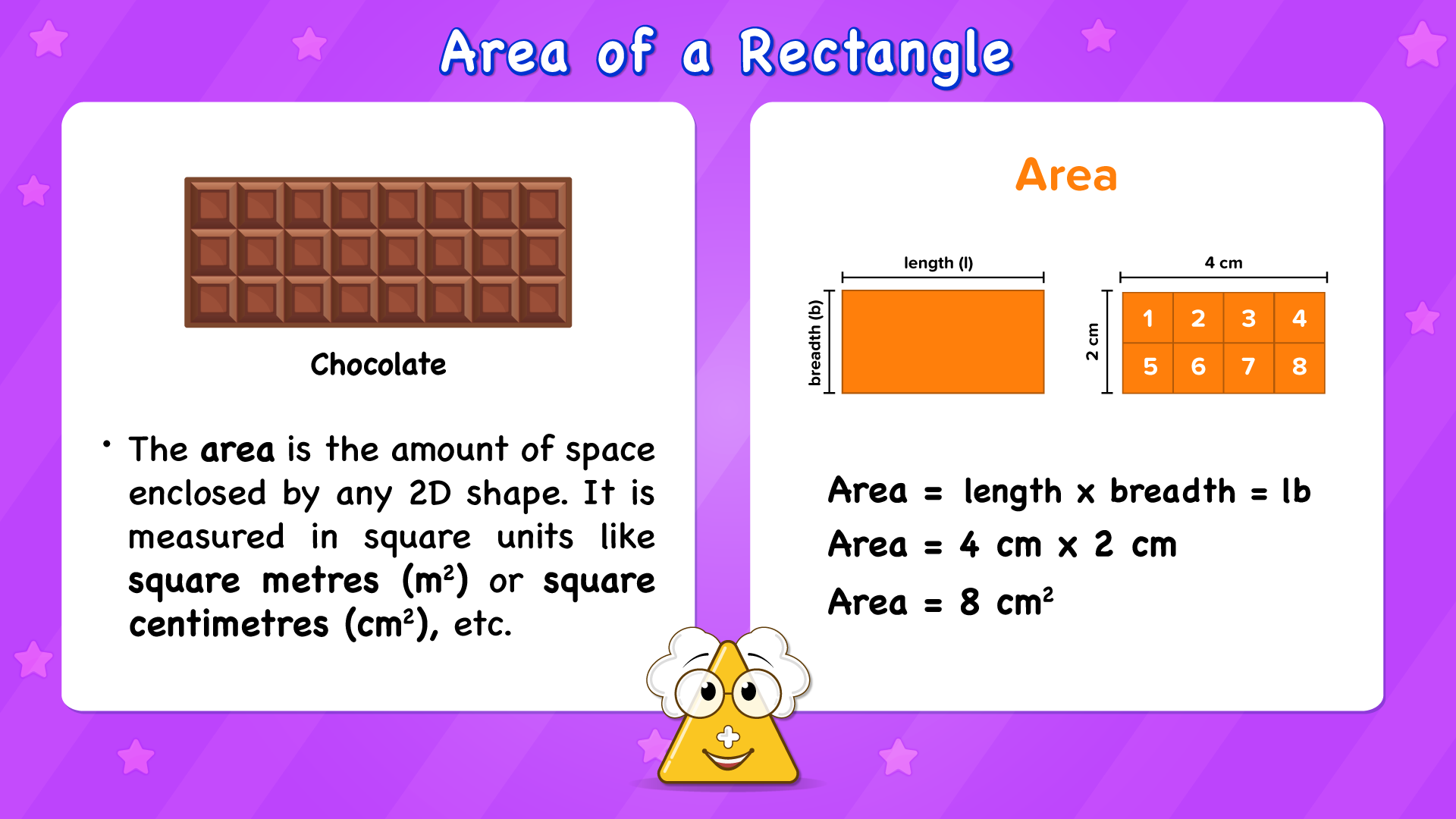
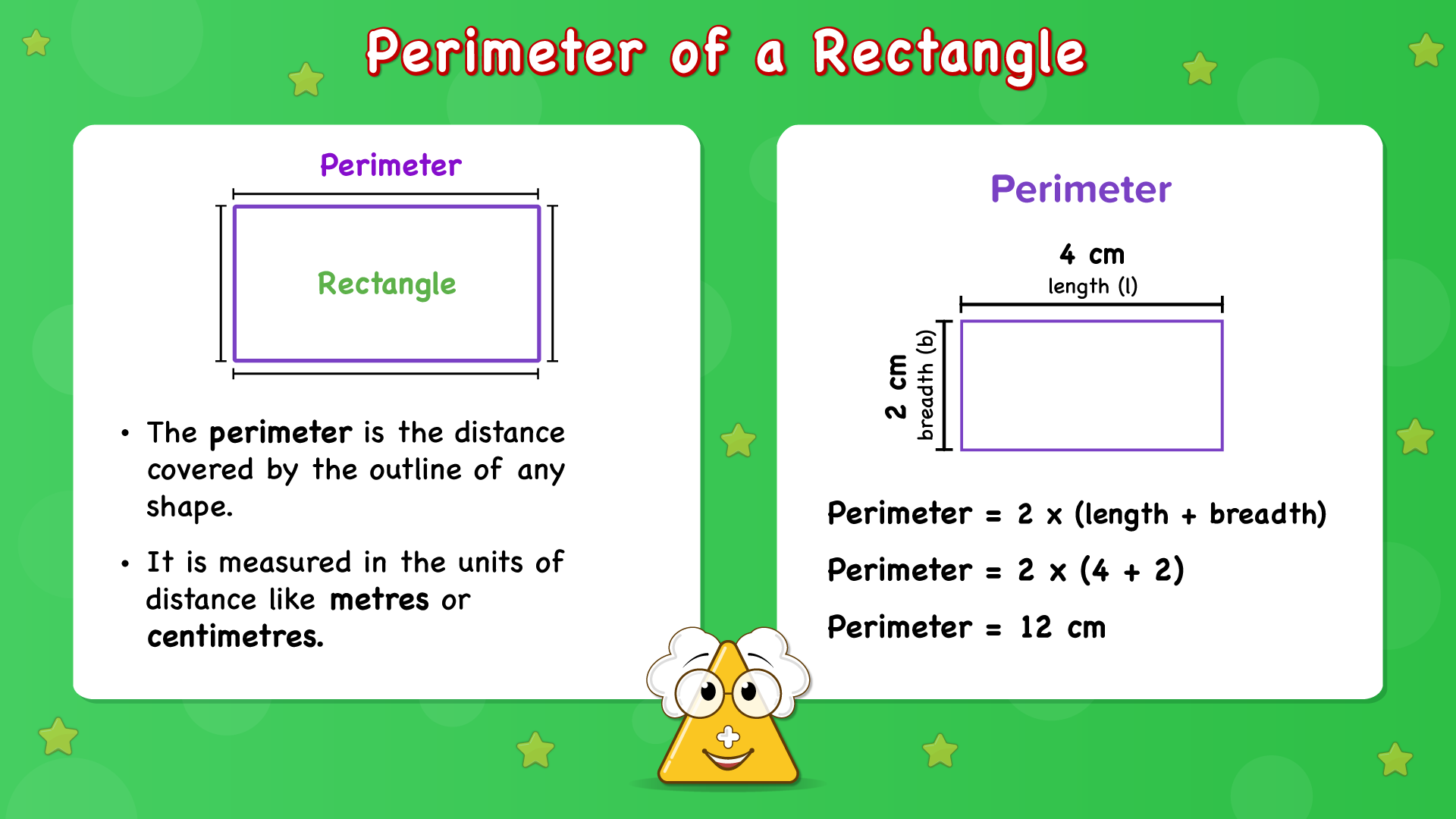
Kids connect best when math is part of a story they recognise. Think of a classroom where kids design a picnic mat, decorate a book cover, or measure the fence around the school garden. Each of these moments introduces the idea of area — how much space something covers — and perimeter — the distance around it.
Take ten-year-old Olivia, for example. She wanted to make a birthday card for her grandmother and decided to use a rectangle of coloured paper. Her mumma, Rachel, asked, ‘Do you know how much ribbon you will need to go around the edge?’ Olivia paused, measured the sides, and worked it out. That was perimeter. Then she asked, ‘How much glitter do I need to fill the front?’ That was area. The card became more than a craft project. It became a math moment wrapped in love.
When kids understand that area tells them how much surface they can fill and perimeter shows how much boundary they need, the numbers begin to mean something. They stop being abstract and start feeling real.


Once curiosity is sparked, it is time to think clearly. The rectangle is one of the most familiar shapes around — from notebooks and tables to windows and screens. Understanding its area and perimeter becomes easier when explained gently and step by step.
Here is how we break it down :
When kids compare two rectangles — one long and narrow, another short and wide — they begin to think critically about how shape and size affect the outcome. Nine-year-old Ethan once measured his desk and his bookshelf. He noticed that although the bookshelf was shorter, it had more surface area. That small discovery made him feel like a mathematician.
Our eBook guides kids through these ideas using clear examples, gentle reasoning, and plenty of space to think.

This is where learning comes alive. When kids use their hands, they remember.
Here are a few simple ways to explore rectangles at home :
Measure and compare : Use a ruler or tape measure to find the length and width of everyday objects — a placemat, a cereal box, a drawer. Ask your child to calculate the perimeter and area.
Craft stick rectangles: Build rectangles using sticks or straws. Decorate the inside with coloured paper squares to count the area, and trace the edges with string to measure the perimeter.
Kitchen math: Let your child measure the baking tray before lining it with foil. Ask, ‘How much foil do we need to cover the bottom?’ and ‘How much do we need to go around the edge?’
Once, my friend was playing with her son, Noah. He used painter’s tape to mark out a rectangle on the garage floor. He measured it, calculated the area, and then asked if they could paint it as a hopscotch grid. That rectangle became a game, a math lesson, and a memory.
These experiences turn abstract ideas into something kids can see, build, and remember.

When kids learn through the 3H approach, math becomes more than a subject. It becomes a story — one filled with curiosity, clarity, and creativity. Parents often notice their kids begin to look at the world differently: counting floor tiles, comparing doors, or measuring their study tables just to check their understanding.
The goal is not to make math easier. It is to make it meaningful. And when meaning enters the learning process, confidence follows.
Just like Mason in the garden, every child deserves to experience the wonder of discovering math in the world around them. With our 3H-powered eBooks and animated stories from Uncle Math Lab, learning the area and perimeter of a rectangle becomes more than an academic goal. It becomes a moment of connection, reasoning, and creativity.
Let us help kids measure their world not just with rulers, but with curiosity in their hearts, logic in their minds, and joy in their hands.