

It’s late afternoon. The shopping bags are on the kitchen counter, and your 8-year-old is playing with the receipt you just dropped beside the onions. Mumma, why does it say $3.99 for apples when the sign said $4? You pause. You could brush it off or you could lean in. Because this isn’t just about apples. It’s about noticing, wondering, and gently stepping into the world of numbers.
Bills are more than receipts. They are quiet storytellers. They hold the math behind our choices, what we bought, how much we paid, and why it mattered. For kids aged 8 to 11, learning to read and understand bills isn’t just useful. It’s grounding. And when it’s wrapped in stories, hands-on moments and gentle prompts, the kind our 3H-powered eBook is full of, it becomes something they carry with them.
Why Bills Matter : A Parent’s Perspective
We teach our kids to count coins, to save up for toys, and to check the change at the shop. But bills, those humble slips of paper, offer something richer. They show per-item costs, discounts, taxes, and the final total. They help kids understand fairness, comparison, and the little decisions behind every purchase.
Mia, a 9-year-old, lives in New York. She went shopping with her dad and noticed her favourite cereal was marked $4.50, but the bill showed $4.05. Her dad explained the store had a discount that wasn’t on the shelf label. That moment turned into a chat about offers, rounding off, and how bills quietly tell the truth.
Back in Pune, Anvikaa helped her mumma sort through a stationery bill. She spotted that the pencil box was charged at ₹65 per box instead of ₹70. Her eyes lit up when she realised they’d saved ₹5. It wasn’t just about rupees, it was about noticing, thinking and feeling proud.
These aren’t math lessons. They are life lessons. And they are the kind our eBook gently wraps into stories, worksheets and activities.

Reading a Bill : What to Notice Together
When kids read a bill, they are not just scanning numbers. They are learning to spot patterns, ask questions and think critically. You don’t need to sit them down with a worksheet. Just hand them the bill and say, ‘Can you find the apples on here? How many did we buy? What did they cost?’
Let them match the items with what’s in the bag. Let them ask why the total is more than expected. Let them notice the tax, the discount, and the rounding. It’s quiet learning, the kind that sticks.

Making a Bill : What Kids Discover
Whether it’s a pretend shop at home or helping mumma at the market stall, making bills teaches kids structure, clarity and a sense of ownership.
I remember how my daughter and her friends turned her room into a toy shop. They made a price list, showcased toys, and wrote bills for each ‘customer’. That afternoon wasn’t just play, it was math, writing and confidence rolled into one.
When kids make bills, they learn to name items clearly, use correct units, show price per unit and total, and add everything up with care. But more than that, they learn that math can be creative and fun.


Currency Conversions : Rupees, Dollars, and the Magic of Small Units
Kids hear about rupees, dollars, euros and pounds, but they don’t always know how they break down. You don’t need a chart. You just need a moment.
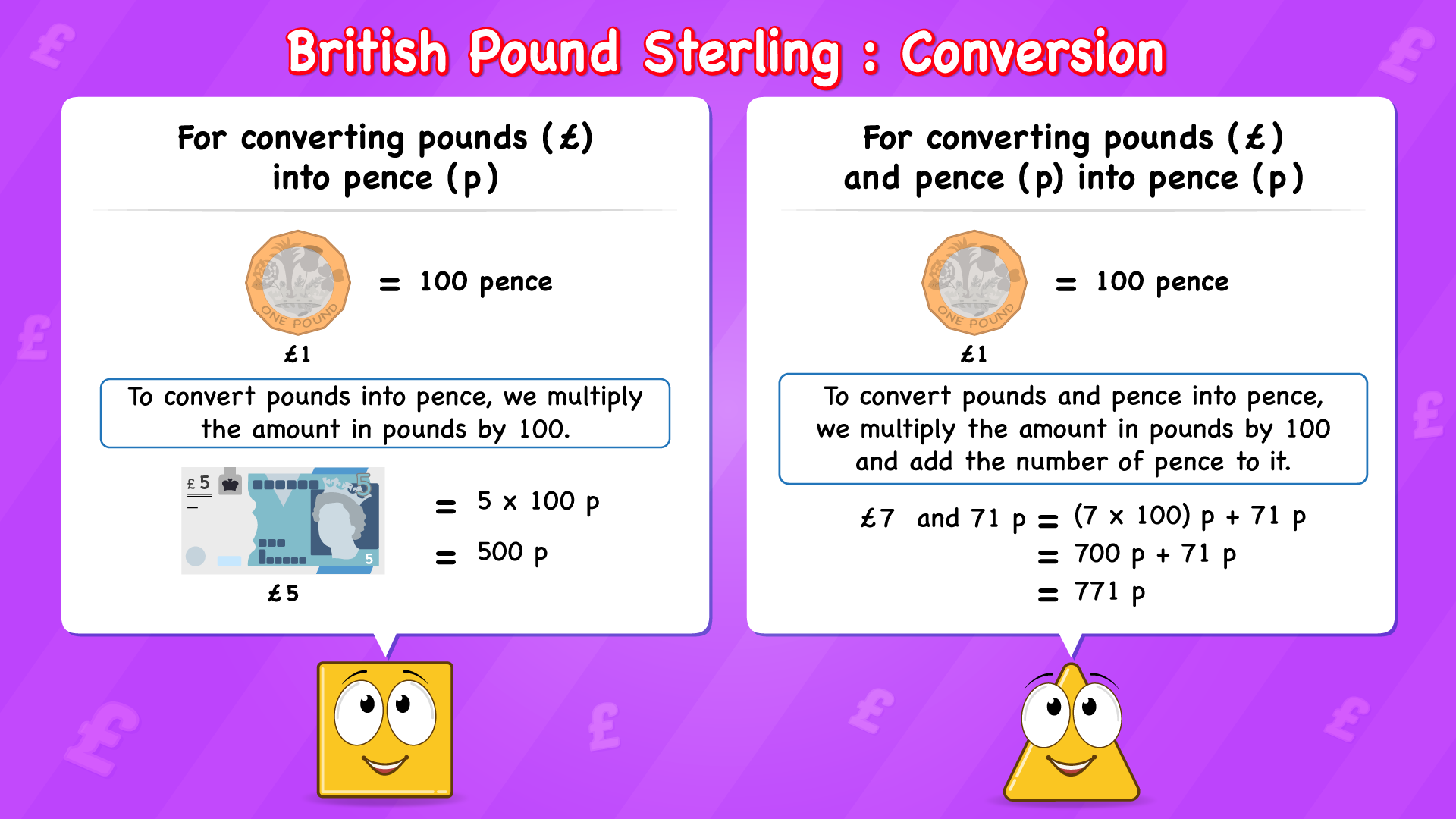
Tell them : ‘In the US, $1 equals 100 cents. So a chocolate bar priced at $1.50 is 150 cents.’ In India, ₹1 equals 100 paise. So if a toy costs ₹250, that’s 25,000 paise.’ ‘It’s the same with euros and pounds, €1 is 100 cents, and £1 is 100 pence.’
Try this while folding laundry or packing lunch : ‘If we have $5, how many cents is that?’ It’s gentle, it’s real, and it’s surprisingly fun when done together.



Learning That Feels Like Home
Our eBook at Uncle Math Lab, doesn’t just explain bills. It brings them to life through stories, worksheets and activities that feel like home. From a story about a kid shopping to a worksheet that helps decode a shopping bill or receipt, every page is crafted to help kids learn with their hearts, heads and hands.

Takeaway for Parents from Uncle Math Lab
If you’ve ever wished math felt more like a conversation than a chore, our eBook might be just what you need. Powered by the 3H approach : stories as Heart, worksheets as Head, and activities as Hand, it turns everyday topics like bills into warm, engaging learning experiences.
Inside, you’ll find a unique story that introduces bills through a kid’s eyes, worksheets that build clarity and confidence, and hands-on tasks that make math feel real. It’s not just about understanding receipts, it’s about helping kids see the world through numbers, choices and everyday magic.
Come explore it with us. Let’s help our kids handle money with confidence.