
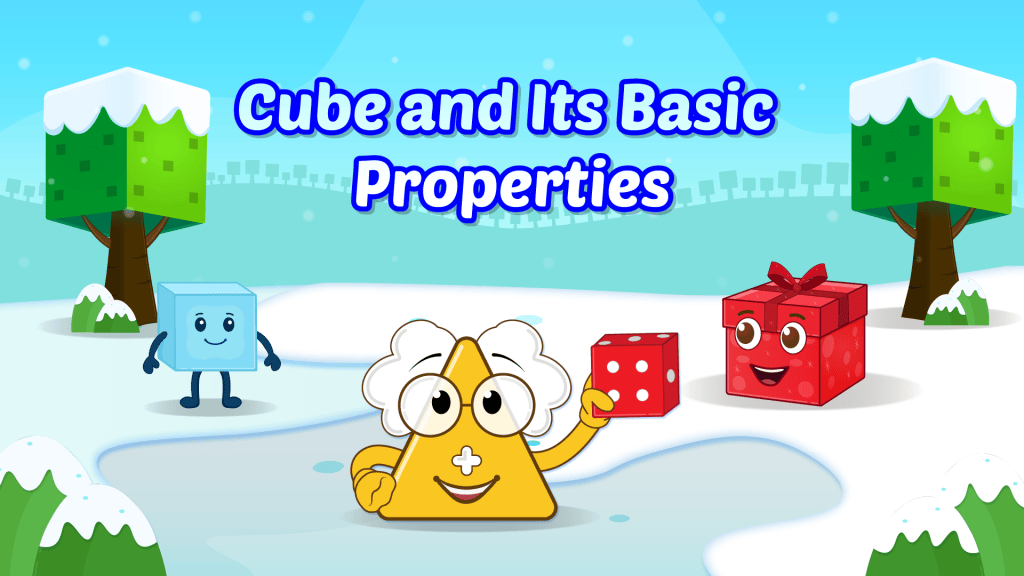
The other day, I was clearing out the playroom when my son Lucas held up one of his building blocks and asked, ‘Mumma, is this a cube?’ I glanced over, nodded, and said, ‘Yes, it is.’ But then came the real question: ‘How do you know?’
I’ll be honest, I paused. I knew it was a cube, but explaining why in a way that made sense to an eight-year-old? That took a moment. And that’s when I realised : these small questions are big opportunities. They’re chances to turn everyday life into learning, no worksheets, no pressure, just curiosity and connection.
At Uncle Math Lab, we believe learning should feel like that. That’s why we created our new ebook using the 3H approach of Heart, Head and Hand. It’s designed to help kids aged 8 to 11 understand math in a way that’s personal, practical and joyful. One of the most loved chapters is about cubes, those simple shapes that show up in toy boxes, lunchboxes and even the freezer.
Let’s break it down the way we’d explain it at the kitchen table.
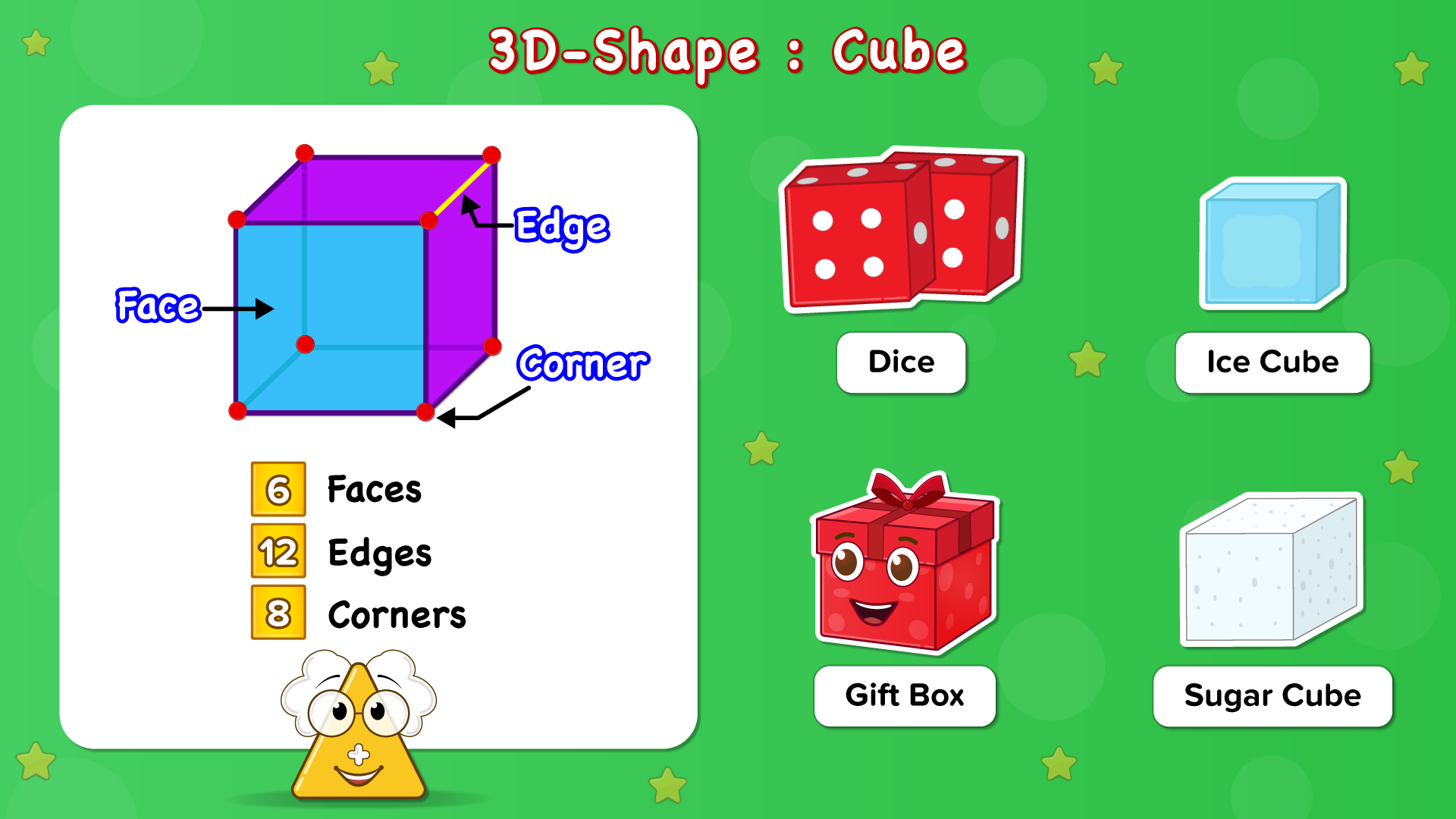
A cube is a 3D shape, which means it’s not flat like a square. It has depth. Every side of a cube is a square, and all the sides are the same size.
Here’s what makes a cube special :
- It has 6 faces : each one is a square.
- It has 12 edges : the lines where two faces meet.
- It has 8 corners : these are also called vertices.
You don’t need a classroom to find cubes. They’re everywhere :
- Dice from board games
- Ice cubes in a drink
- Sugar cubes in the kitchen
- Building blocks on the carpet
- A Rubik’s Cube on the shelf
- Even some gift boxes under the bed
Once kids start spotting them, they’ll see cubes all around and that’s when geometry starts to feel real.
When Lucas and I were packing snacks for a picnic, he noticed the cheese cubes we’d cut. He counted the sides, guessed the edges, and proudly announced, ‘This is definitely a cube!’ That moment was a math lesson in disguise.
Understanding cubes helps kids :
- Build strong spatial thinking
- Recognise patterns and shapes in everyday life
- Prepare for more advanced geometry later on
- But more than that, it helps them feel confident. It shows them that math isn’t just something you do at a desk, it’s something you live.

Here are a few simple ways to bring cubes into your day :
- Game night : Use dice to count faces and edges. Ask your kid to guess how many corners it has before checking.
- Snack time : Cut fruit or cheese into cube-shaped pieces. Talk about how each side looks the same.
- Crafts : Fold paper into cube shapes. Let your kid decorate each face with drawings or stickers.
These aren’t just activities, they’re ways to bring math into your home, gently and naturally.
Our ebook brings cubes to life using the 3H approach :
- Heart : We start with stories kids relate to, wrapping gifts, playing with blocks, so they feel connected.
- Head : We explain the properties clearly, using simple words, pictures and questions that spark curiosity.
- Hand : We offer hands-on activities, drawing cubes, building them, spotting them around the house, so kids can use what they’ve learned.
If you’ve ever felt unsure about explaining shapes or geometry, you’re not alone. You don’t need to be a math expert. You just need to be curious with your kid.
When Lucas asked about cubes, I didn’t reach for a textbook. We talked, we built, we laughed. And that made all the difference.
So next time your kid asks about cubes, don’t worry about getting it perfect. Share a story. Build something together. And if you’d like a little help, our ebook is here crafted with heart, head and hand to make learning joyful for both of you.
Let’s raise curious minds, one shape at a time.
