Some math ideas are so simple that they are easy to miss. For example, division by one and division by itself are two such concepts. These little truths help kids make sense of numbers. However, they often get skipped over in the rush to teach bigger things.
At Uncle Math Lab, we believe that learning should feel like home. That’s why our eBooks are built around the 3H approach: Heart, Head and Hand. Moreover, it’s not just a teaching method. Instead, it’s a way to help kids learn through feelings, understanding and action.
With this in mind, this guide is designed for parents and educators who want to introduce these two properties gently. Through engaging stories, clear explanations and everyday examples, you can help children understand these concepts naturally. As a result, kids can build a stronger foundation in math while enjoying the learning process.

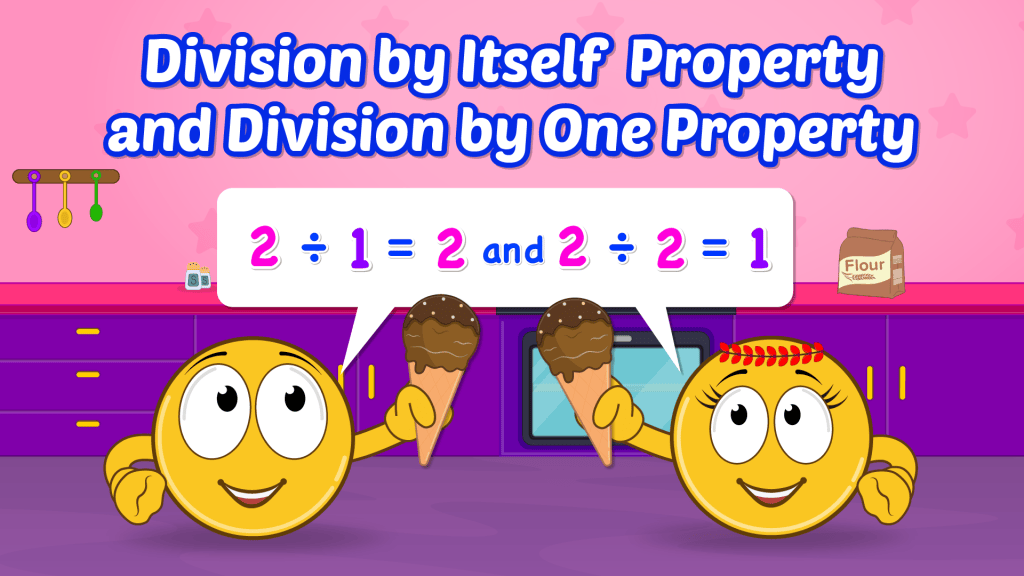
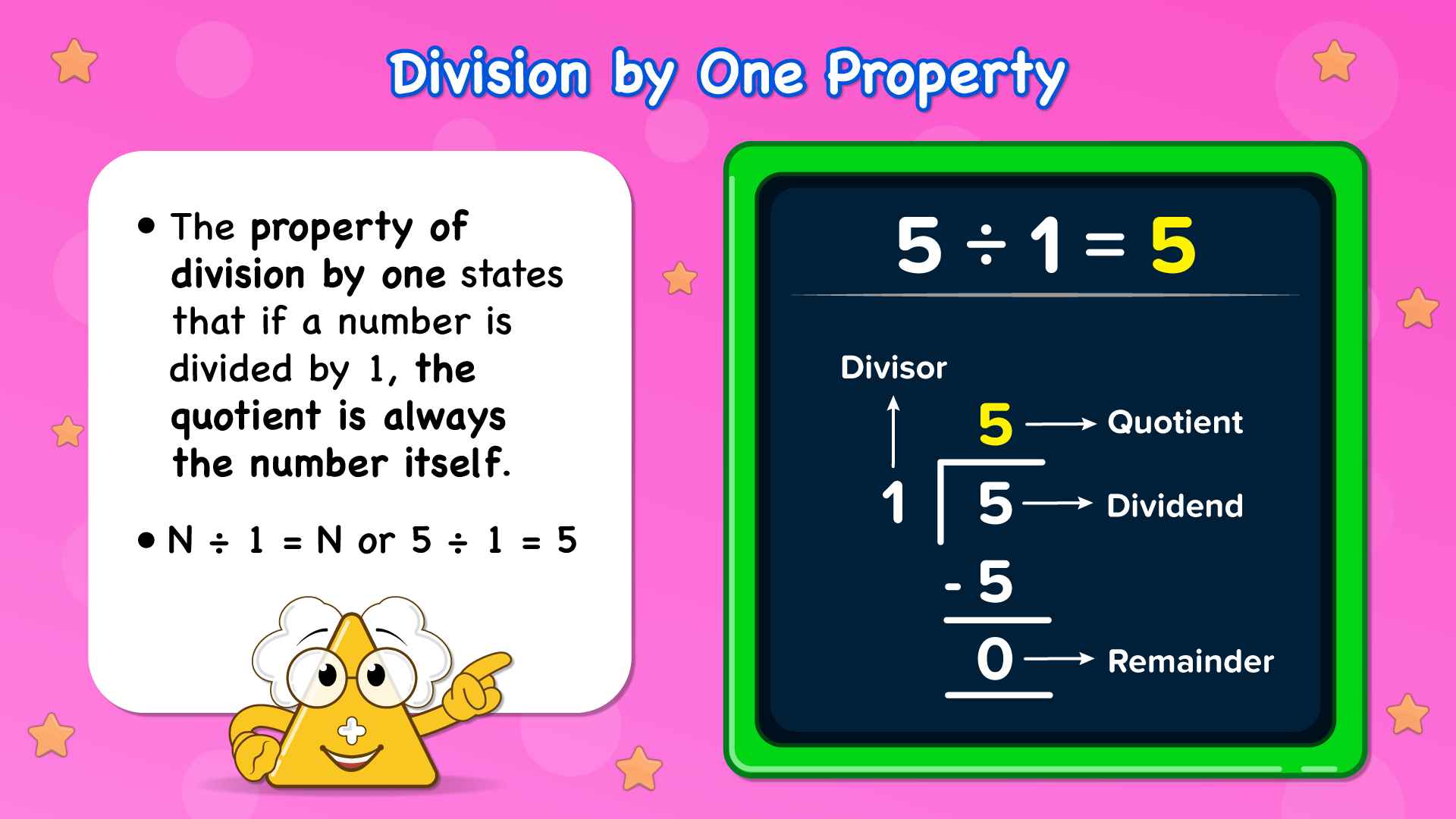
It was just after lunch. Mumma was tidying up, and her daughter, Meera, was helping sort crayons. There were 9 crayons and just one box. Meera paused, then said, ‘Well, if there’s only one box, all the crayons go in there. So 9 ÷ 1 is still 9.’
She didn’t know she’d just used the division by one property. She was simply thinking it through.
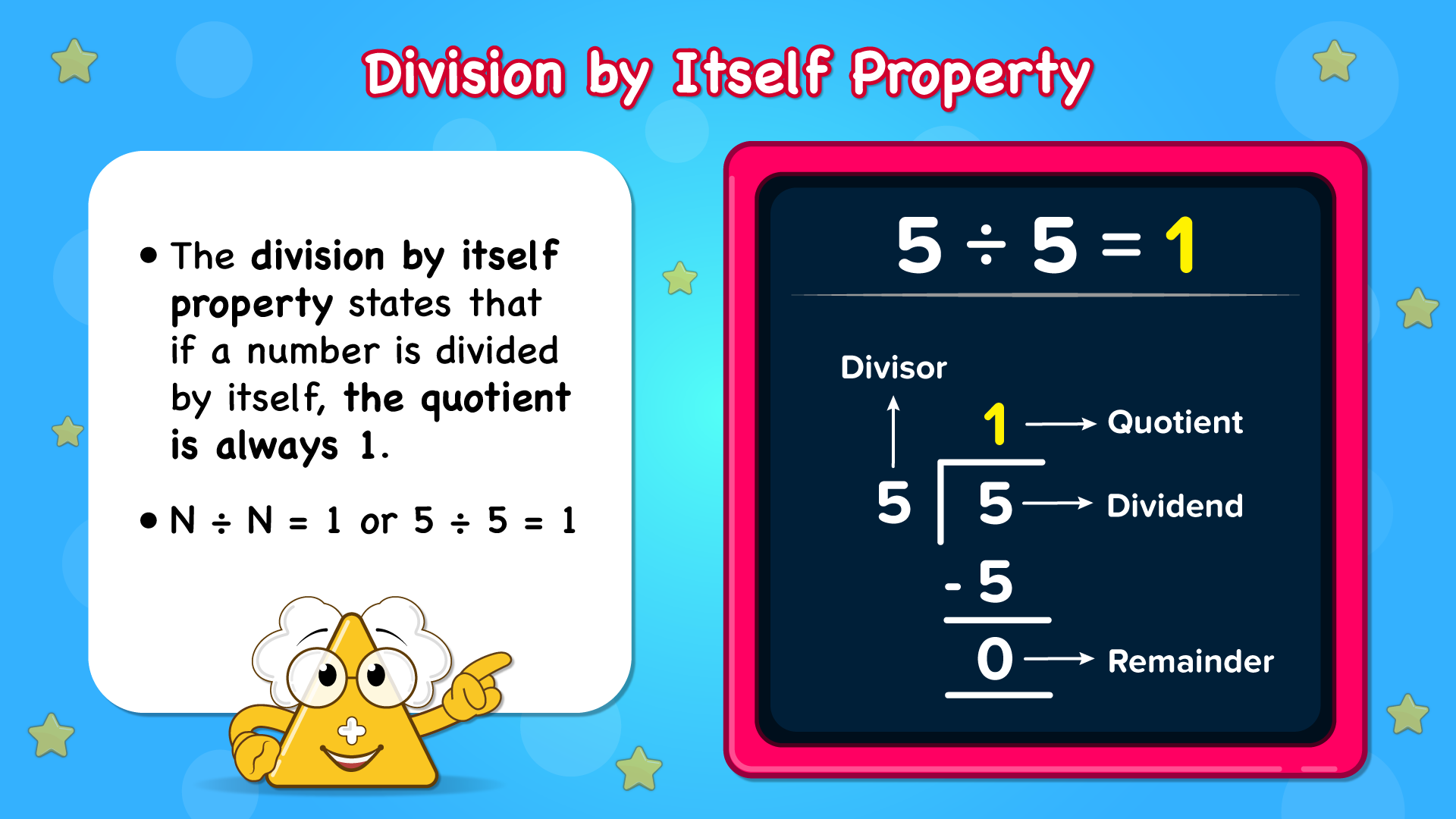
Later, while playing with her toy animals, Meera lined up 5 animals and gave each one its own little basket. ‘One animal in each basket,’ she said. ‘So 5 ÷ 5 = 1.’
That’s division by itself. When you divide something into as many parts as there are items, each part gets one.
These moments happen quietly, in the middle of everyday life. And when we notice them, name them gently, and talk about them with our kids, we help them build a strong emotional connection to math. That’s the heart of learning.


Kids understand best when they use their hands. That’s why our eBooks are full of everyday activities that make division real.
Here are two simple ones to try at home:
- Give your kid 10 crayons and 1 box.
- Ask: ‘How many crayons will go in the box?’
- Let them place all the crayons in and count: 10 ÷ 1 = 10
Then try with different numbers—6 crayons, 1 box; 15 crayons, 1 box. They’ll see that dividing by one doesn’t change the total.
- Give your kid 5 biscuits and 5 plates.
- Ask them to place one biscuit on each plate.
- Then ask: ‘How many biscuits on each plate?’
- They’ll say: 1. So 5 ÷ 5 = 1
- Toy Parking : One toy per parking space
- Lego Sorting : One block per tray
- Story Cards : Little problems where characters divide items by one or by themselves
These activities are low-prep and full of joy. They help kids do the math, not just talk about it.

Once kids have explored these ideas through stories and play, it’s time to help them understand them more clearly. However, we don’t rush into formal methods. Instead, we start with gentle questions that encourage them to think and explore.
For example, we might ask:
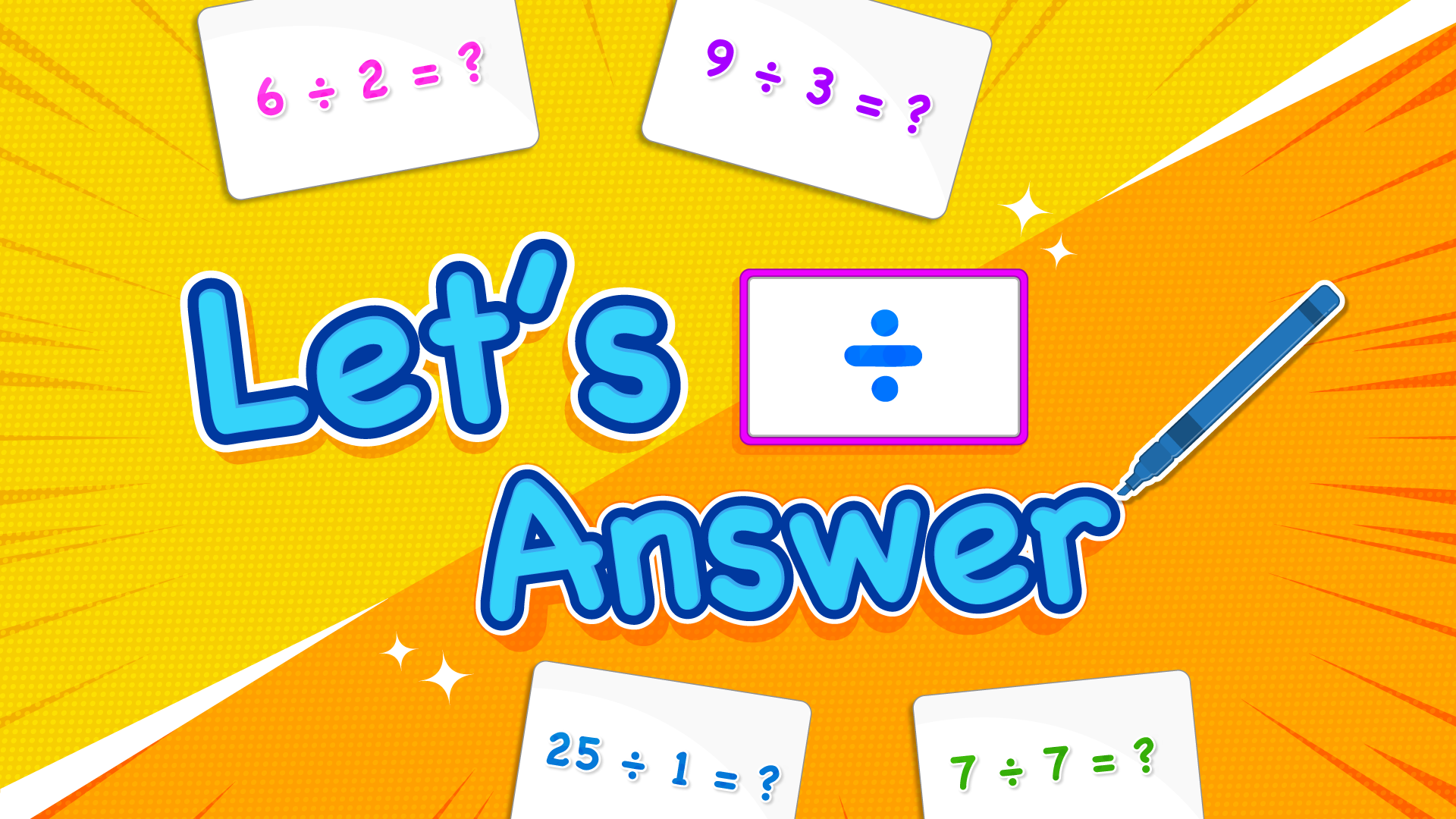
- ‘You have 8 pencils and 1 pencil case. How many pencils go in the case?’
- ‘There are 6 biscuits and 6 plates. Can you put one biscuit on each plate?’
To make learning even more enjoyable, our worksheets feel like conversations rather than tests. They include:
- Simple pictures to help children understand equal groups.
- Gentle prompts such as ‘Can you try sharing these out one by one?’
- Parent notes at the bottom to guide you through the conversation.
Moreover, we use British English and a warm, friendly tone throughout. As a result, learning feels like sitting down with your child rather than standing at a whiteboard.
Most importantly, our goal is to help children think clearly and build confidence without feeling pressured. This way, they can develop a positive relationship with maths from an early age.
Our eBooks are built on the 3H approach—Heart, Head and Hand. That means:
- Heart : Real-life stories that feel warm and familiar
- Hand : Hands-on activities that bring math to life
- Head : Clear thinking through gentle worksheets
They are designed for parents who want learning to feel like home. Whether you’re reading together, solving problems or chatting over snacks, our resources help you make math part of everyday life.
Division by one and division by itself might seem small, but they are powerful ideas. They help kids understand how numbers behave, and they build confidence for more complex problems later on.
When taught with heart, head and hand, these properties become more than math rules—they become part of how kids see the world.
We invite you to explore our eBooks and see how the 3H approach can make learning joyful, connected and deeply human.
Because when math is taught with love, it doesn’t just stick—it stays.