
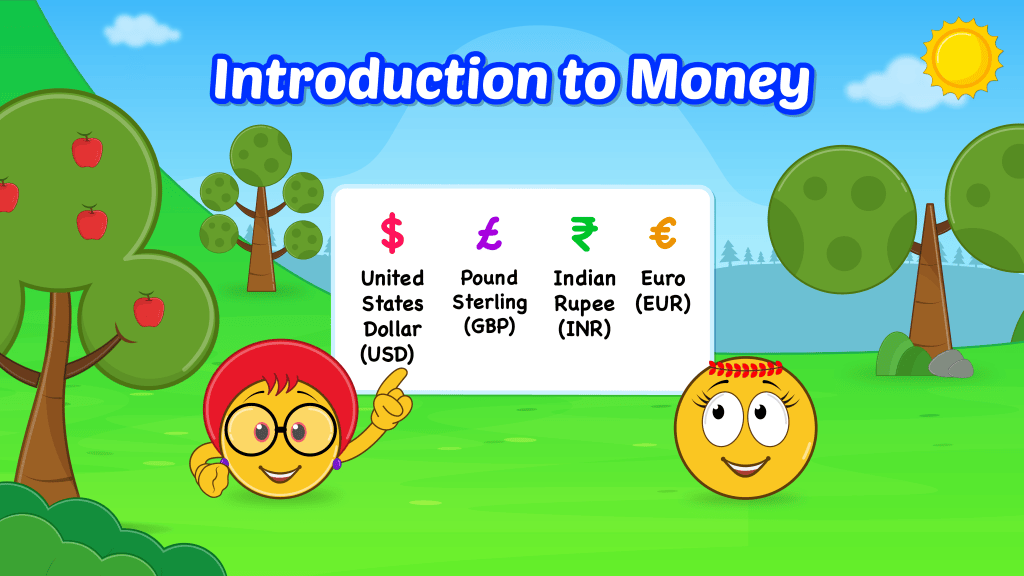
For many kids aged three to six, the world of coins and notes is full of mystery and possibility. They see grown-ups exchanging money at the shops, perhaps helping to count coins in a purse, or peering curiously at the shapes and shiny colours. Introducing money at this early age is not just about counting but about understanding, choices, and shared experiences.
At Uncle Math Lab, we believe that math is best learnt with the heart, the head, and the hand. Through stories, visuals, and hands-on activities, we turn new ideas into daily adventures.

 HEART : Making Money Meaningful
Kids connect best when learning feels personal. Tell them a gentle story :
“Kids travel into a travel machine with Madam Social, Uncle Math’s friend and surprisingly reach an ancient era.”
Stories like these let kids imagine what money does, and why it matters in their everyday lives. You could also talk about your own family’s traditions, like saving coins in a special jar, or the excitement of finding a penny on the pavement.

 HAND : Learning Through Play
Lastly, let little hands do the learning. Set up a pretend shop : give your kid coins and a basket of play food or toys.
- “Can you buy two apples for two coins?”
- “Let’s count five pennies into the jar together.”
Create a “money trail” with coins, letting kids count aloud as they move one by one.
You can even save coins in a clear jar, so your kid sees the collection growing—an early introduction to saving and patience.

 HEAD : Understanding Coins and Notes
Now, bring in simple facts. Show your kid real or play money. Name each coin and point out its size, colour and number. Say,
- “This is a two-pence coin. It’s bigger than a one-pence piece.”
- “Which is heavier? Which is shiny?”
- Help them sort coins into groups, noticing patterns and differences.
You might play a matching game, pairing coins to printed prices on a poster—helpful for both recognition and early number sense.
Real-Life Examples
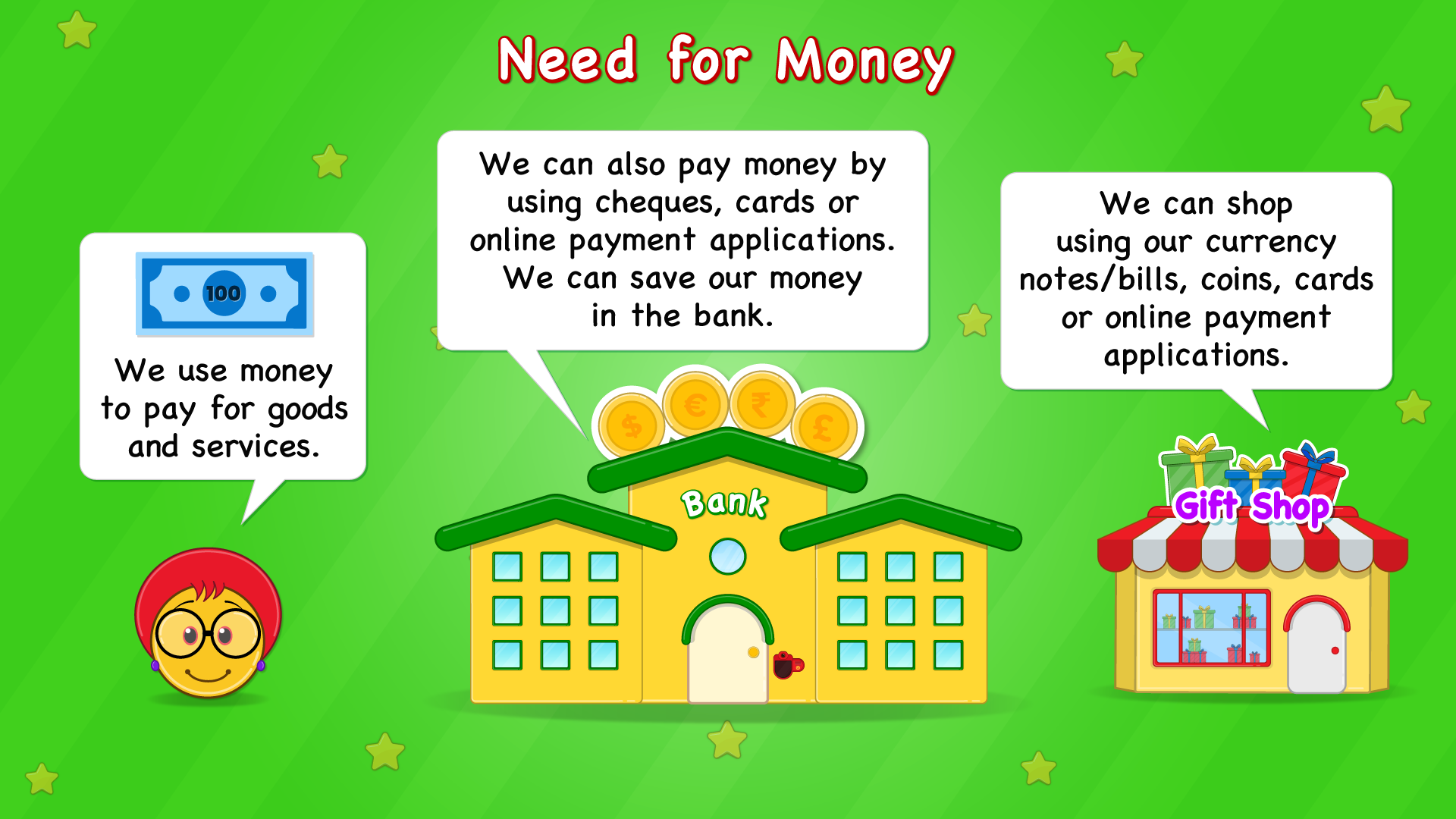
- Involve your kid at the supermarket: count coins as you pay for a loaf of bread.
- Ask them to sort the change from your wallet into piles at home.
- Let them “pay” you a coin for each tidy-up job or help given.
Thoughts for Parents and Educators
Learning about money for young kids is not about pounds and pence alone. It’s about building independence and trust, understanding choices, and developing practical math skills. Kids discover not just how to count, but the value of sharing, saving, and sometimes waiting for something special.
At Uncle Math Lab, through our comic books and colourful posters powered by the 3H approach, we aim to spark joyful curiosity about money, giving every little learner the tools to feel confident—both in math and in daily life.

