
There’s a moment many of us know well. You’re at the dining table, your daughter’s workbook open and she asks, ‘Mumma, how do I know which numbers go into 12?’ You pause, trying to remember how you learnt it yourself, and realise you didn’t. You just sort of picked it up along the way.
That’s where factors come in. They’re one of those quiet math ideas that sit behind so much of what kids aged 8 to 11 are learning : multiplication, division, even fractions. But for it to make sense, it needs to feel real. Familiar. Like something they’ve seen before, not just something they’re told.
At Uncle Math Lab, we believe learning should feel like home. That’s why our new ebook, built around the 3H approach of Heart, Head and Hand, introduces factors through stories, everyday moments, and gentle prompts that speak to both kids and parents.
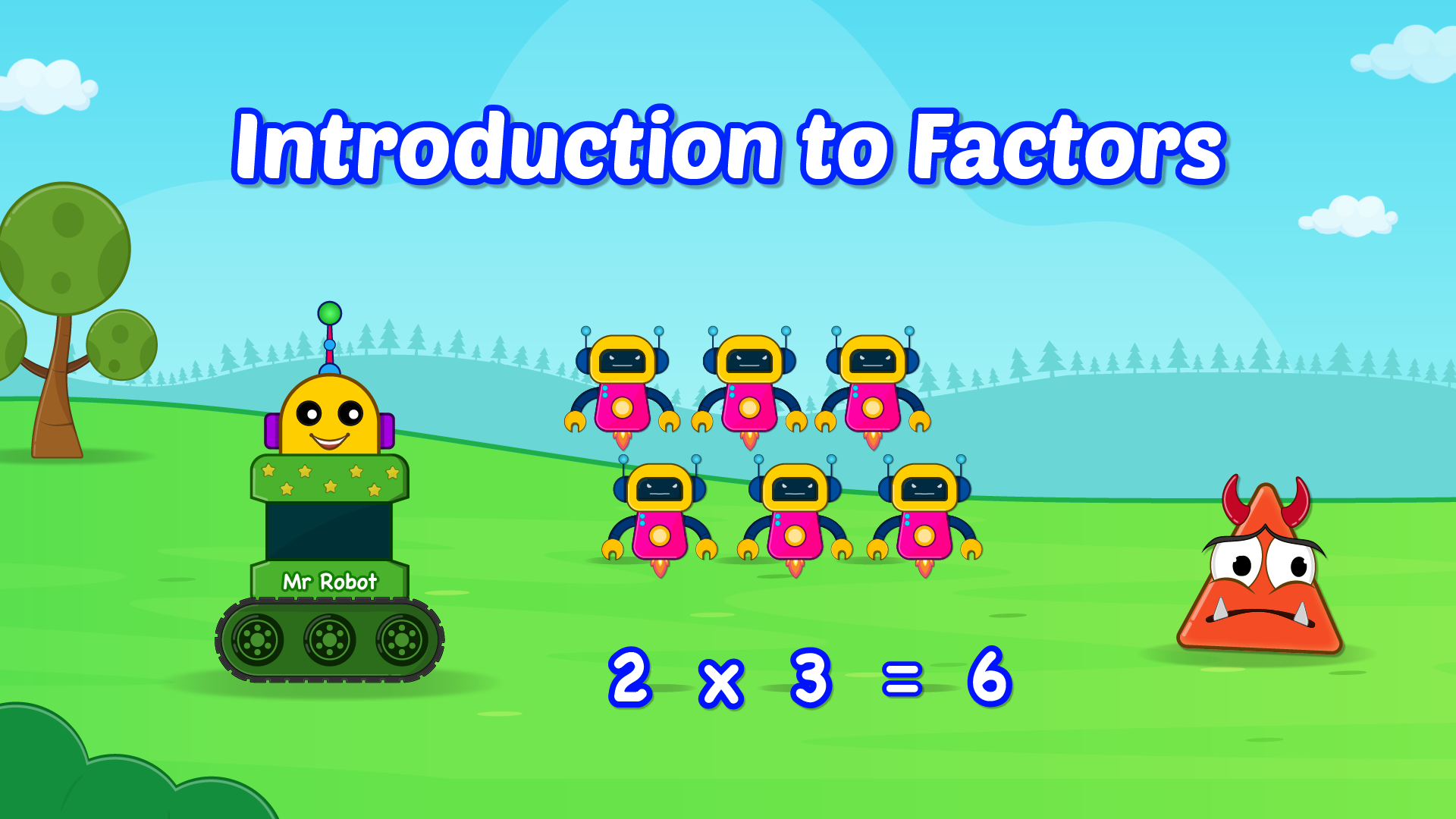
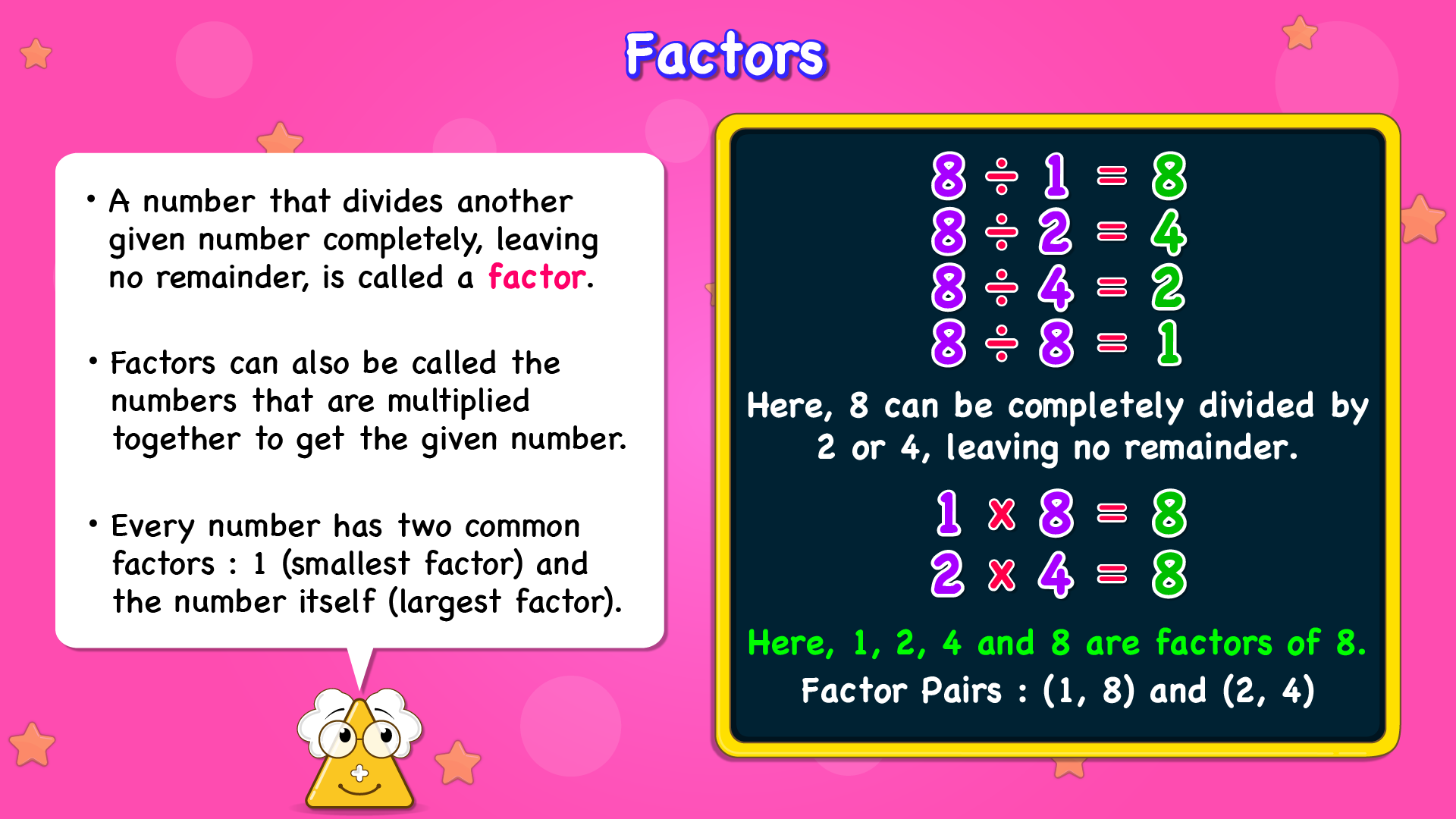
Put simply, a factor is a number that fits neatly into another without leftovers. So 3 is a factor of 12, because 12 divided by 3 gives you 4, clean and tidynwithout any remainder.
But that’s not how kids learn best.
We start with something they know. Say you’ve got 12 grapes and three kids. Can you share them equally? Yes, each gets 4. That means 3 is a factor of 12. But if there were 5 kids, someone’s left short. That’s when we say 5 isn’t a factor of 12.
It’s the kind of math that happens in kitchens, lunchboxes, and birthday parties and that’s exactly where we begin.
You might wonder why we’re spending time on factors when there’s so much else to cover. But here’s the thing : factors help kids spot patterns, understand how numbers behave, and build confidence in solving problems. They’re the quiet scaffolding behind so much of what comes next.
And when kids see math in their everyday world — not just in a workbook — it sticks.
Our ebook doesn’t just explain factors. It invites families in.
- Heart: We start with stories. Like the time a dad tried to cut a cake into equal slices and ended up with a math puzzle. Or when a kid grouped her toy cars and proudly said, ‘I think I found the factors of 20!’ These moments matter. They’re where learning begins.
- Head: We build understanding gently. Clear steps, simple words, and space to think. No rush, no jargon — just the joy of figuring things out together.
- Hand: We get practical. Kids sort socks, share snacks, and group buttons. They do math, not just hear about it. And suddenly, it’s not scary — it’s familiar.
If you’ve ever felt unsure about how to help your kid with math — especially when the language starts to feel a bit abstract — this ebook is for you.
It’s designed to be read together. To spark chats. To turn everyday moments into learning. And to remind you that your stories, your questions, and your kitchen-table math are more powerful than you think.
Because when learning feels like home — warm, real, and shared — it doesn’t just make sense. It stays.
Explore the world of factors with your kid today. Our ebook, powered by the 3H approach, is ready to help you turn everyday math into something joyful, connected, and truly yours.