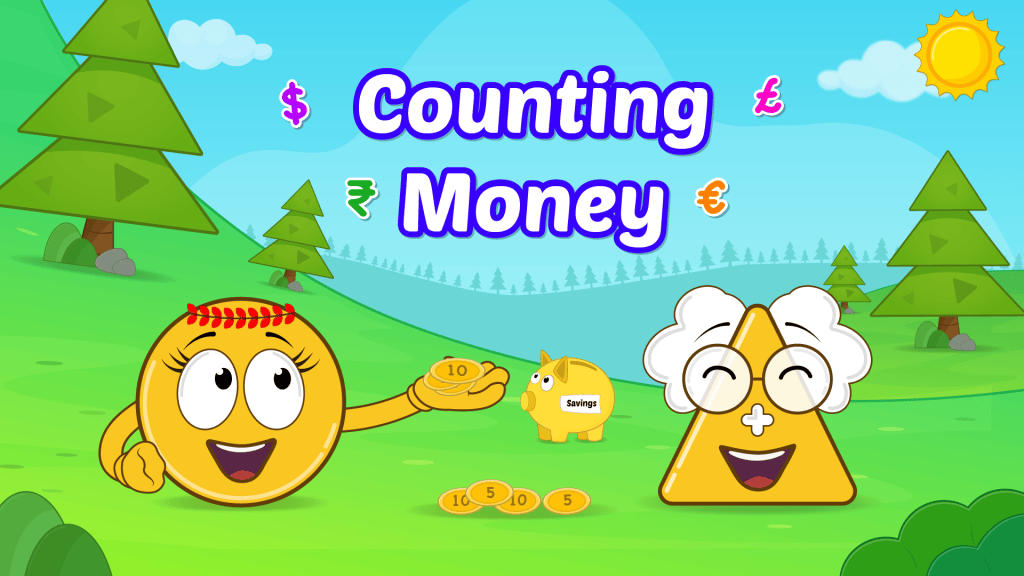
It starts with something small. A trip to the corner shop. A $10 note tucked into your kid’s palm. A proud little voice asking, ‘Will I get change if I buy the bread and bananas?’ And just like that, math becomes real.
Money is one of the first ways kids feel grown-up. It’s not just about numbers, it’s about choices, independence and tiny acts of responsibility. And for parents, it’s a golden chance to turn everyday moments into gentle learning.
 HEART : Where Money Meets Meaning
Money isn’t just math. It’s emotion. It’s the joy of saving, the dilemma of spending, the kindness of sharing.
I remember Tom, a quiet, thoughtful 9-year-old who had saved $5 from his weekly allowance. He had his eye on a comic book, but when his little sister looked longingly at a colouring set she couldn’t afford, he offered to split his money. That moment wasn’t about cents and dollars. It was about the heart.
When kids learn about money through stories like Tom’s, they begin to see math not as a subject, but as a part of life. Our eBook leans into these moments, helping parents and kids connect numbers to values like generosity, patience and empathy.
 HEAD : Building and Breaking Down Money
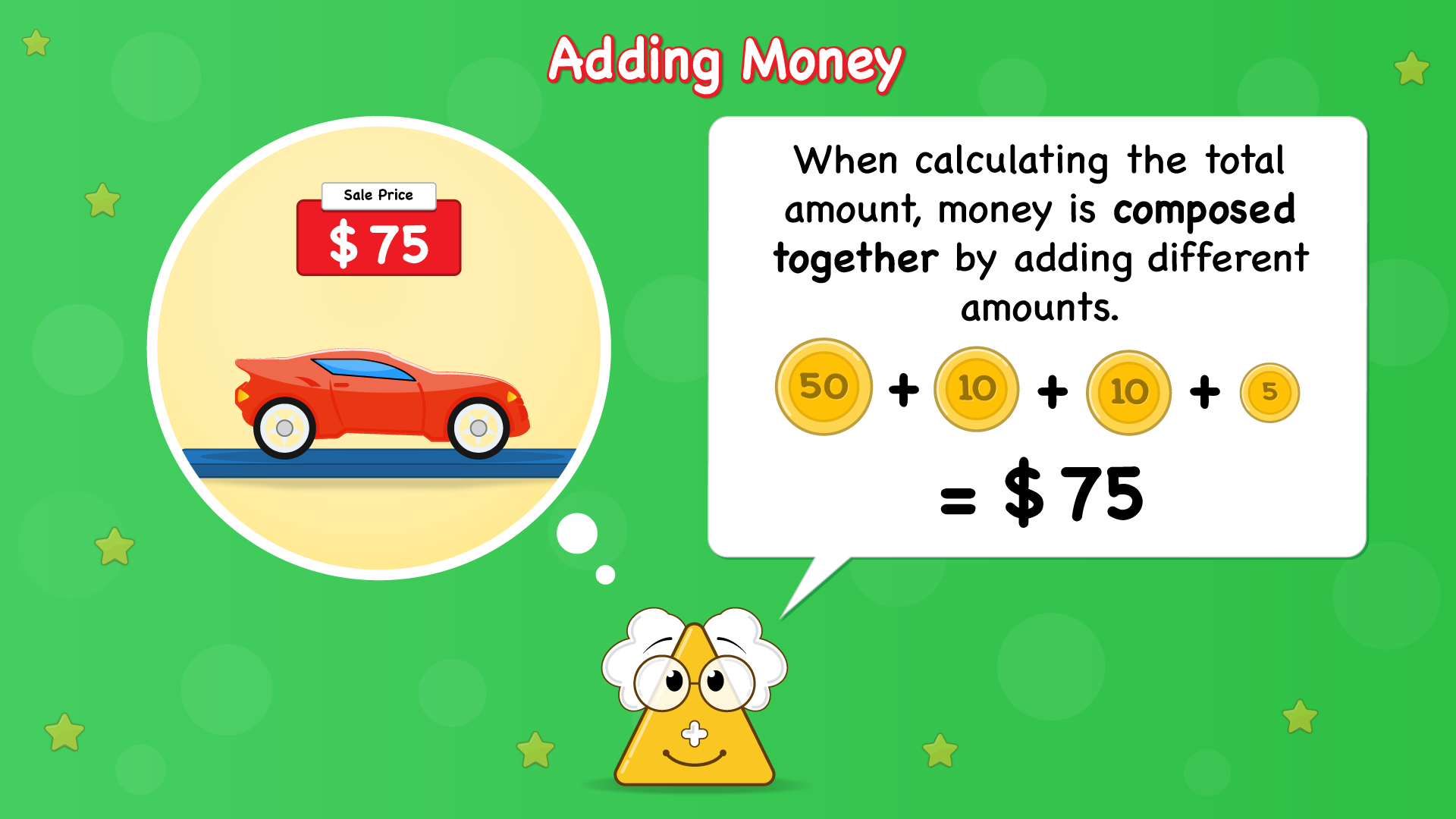
Now let’s get practical. One of the most empowering things we can teach kids is how to build and break down amounts, what educators call composition and decomposition.
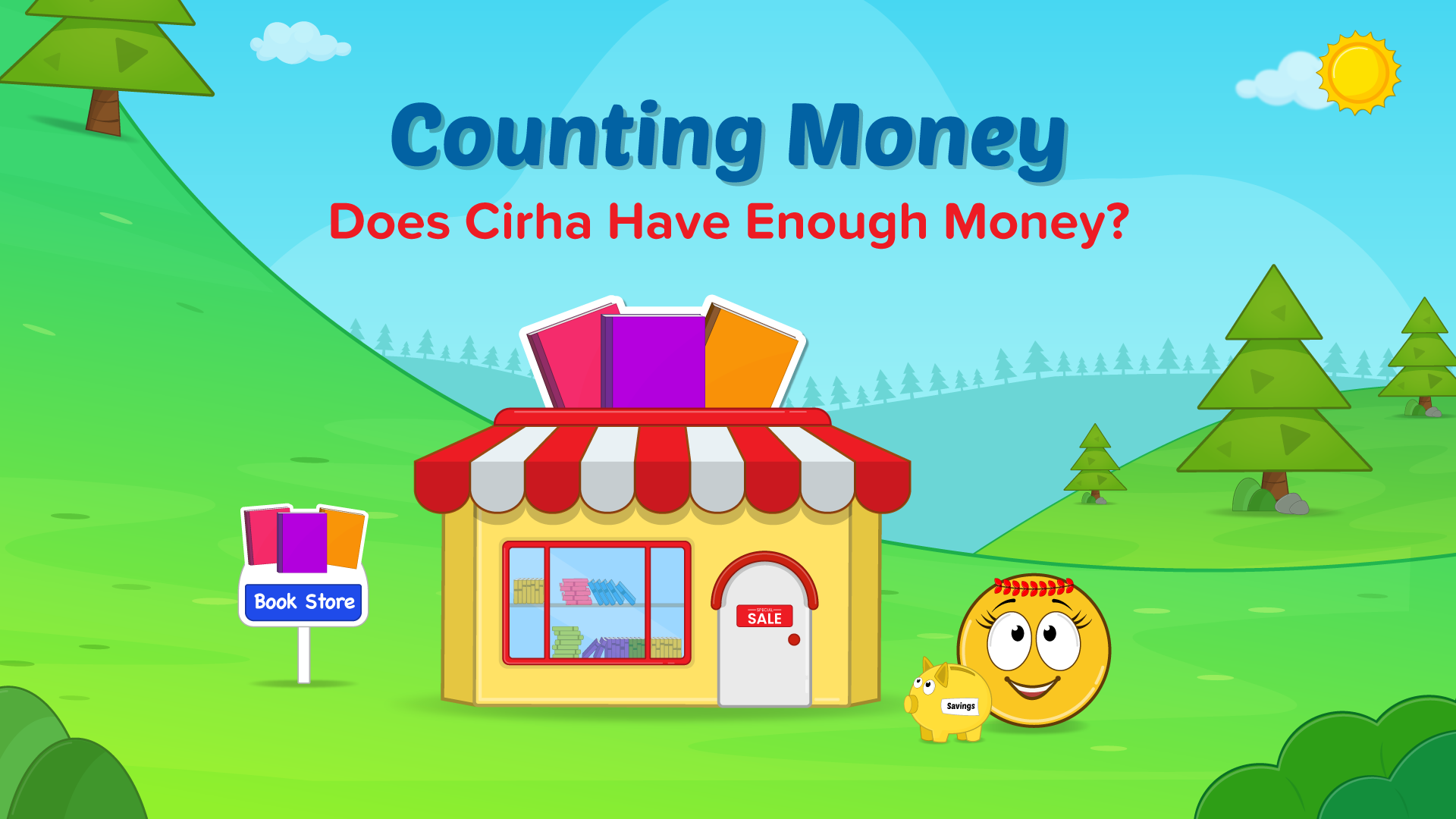
Say your 10-year-old has $7.50. How can they make it?
- $5 + $2 + $0.50
- $1 × 7 + $0.50
- $2 + $2 + $2 + $1 + $0.50
Each combination is a little puzzle, a chance to explore place value, mental math and flexible thinking.
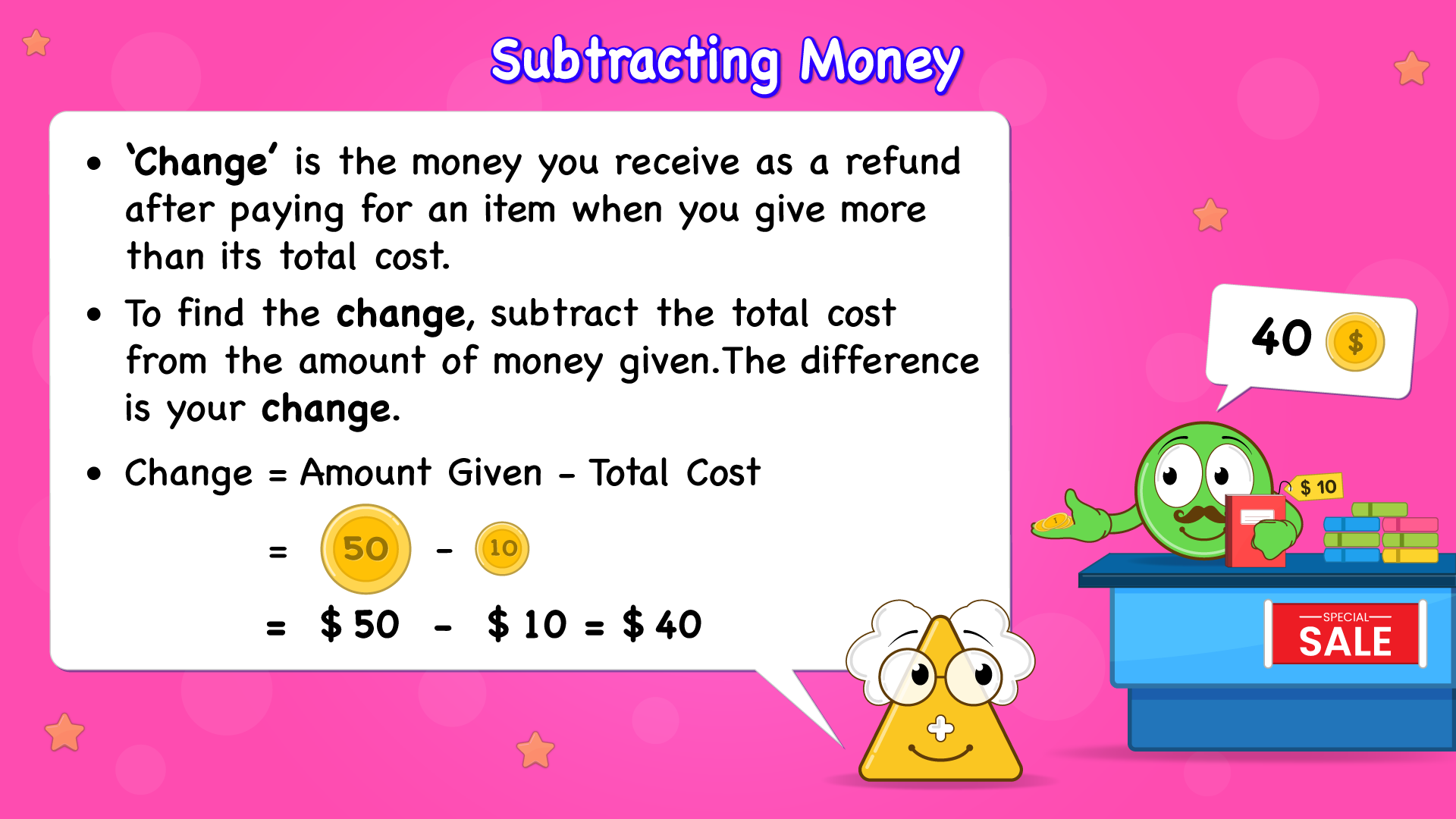
Now flip it. If they need to pay $10 but only have a $20 note, how do they work out the change? That’s decomposition. It’s the kind of thinking that helps kids feel confident at the shop, at the café, even at the school fair.
And the best part? You don’t need a classroom. You just need a moment. At the grocery store, ask : We’ve got $15. Can you help me pick things that add up to around $10 so we’ve got enough left for the bus?
Suddenly, math is alive and your kid is leading the way.
 HAND : Doing the math, Gently
Once kids understand how money is made and split, they are ready to explore operations, adding, subtracting, multiplying and dividing.
But instead of worksheets with rows of sums, we like to wrap these ideas in story sums.
- Rosie buys a pencil for $1.20 and a notebook for $3.80. How much did she spend altogether?
- Kim had $10. He bought a toy for $6.50. How much does he have left?
- A sticker costs $0.50. Messy wants 6 stickers. How much will that be?
- $6 needs to be shared equally among 4 friends. How much does each friend get?
These aren’t just math problems. They are little slices of life. And when parents read them aloud, with names and feelings and choices, kids lean in. They listen. They imagine. And they learn.
Learning That Feels Like Home
Once, my daughter set up a pretend cafe in the living room. She made a menu, priced the items, gave change, and even offered a ‘family discount’. That afternoon wasn’t just play; it was math in motion.
That’s what we believe in. Learning that feels like home. math that feels like a story. And moments that feel like connection.
Whether it’s counting coins in a piggy bank, planning a birthday budget, or helping mumma at the market, money learning can be joyful, gentle and deeply human.

A Note from Uncle Math Lab
If you have ever wished math felt more like a story than a struggle, our eBook might be just what you are looking for. Powered by the 3H approach : stories as Heart, worksheets as Head, and activities as Hand, it brings money concepts to life in a way that’s warm, simple and wonderfully relatable.
Inside, you will find a unique story that gently introduces counting and operations, thoughtfully designed worksheets that build confidence, and playful hands-on tasks that make learning stick. It’s not just about understanding money, it’s about living it together.
Come explore it with us. Let’s make math feel like home.