
It starts with something small. You’re folding laundry, and your 8-year-old is counting how many socks have no pair. ‘One, two, three, four… and then a line across for five,’ they say, drawing the fifth stroke with quiet pride. You pause. Because in that moment, they are not just counting, they are organising, noticing, and learning to make sense of the world around them.
Tally marks are simple, yes. But they are also powerful. They help kids aged 8 to 11 turn everyday observations into something they can see, group and understand. Whether it’s tracking how many times the dog barked or which ice cream flavour won the family vote, tally marks make data feel personal.
And when taught through stories, gentle worksheets and hands-on activities, the kind you’ll find in our 3H-powered eBook… they become more than just lines on a page. They become tools for thinking, noticing and connecting.
What Are Tally Marks, Really?
Tally marks are just straight lines, one for each count. When your kid reaches five, they draw a diagonal line across the previous four. It’s a small gesture, but it feels like a celebration. Five socks folded. Five strawberries picked. Five goals scored. That fifth stroke ties it all together.
Instead of writing ‘7’, they’d draw :
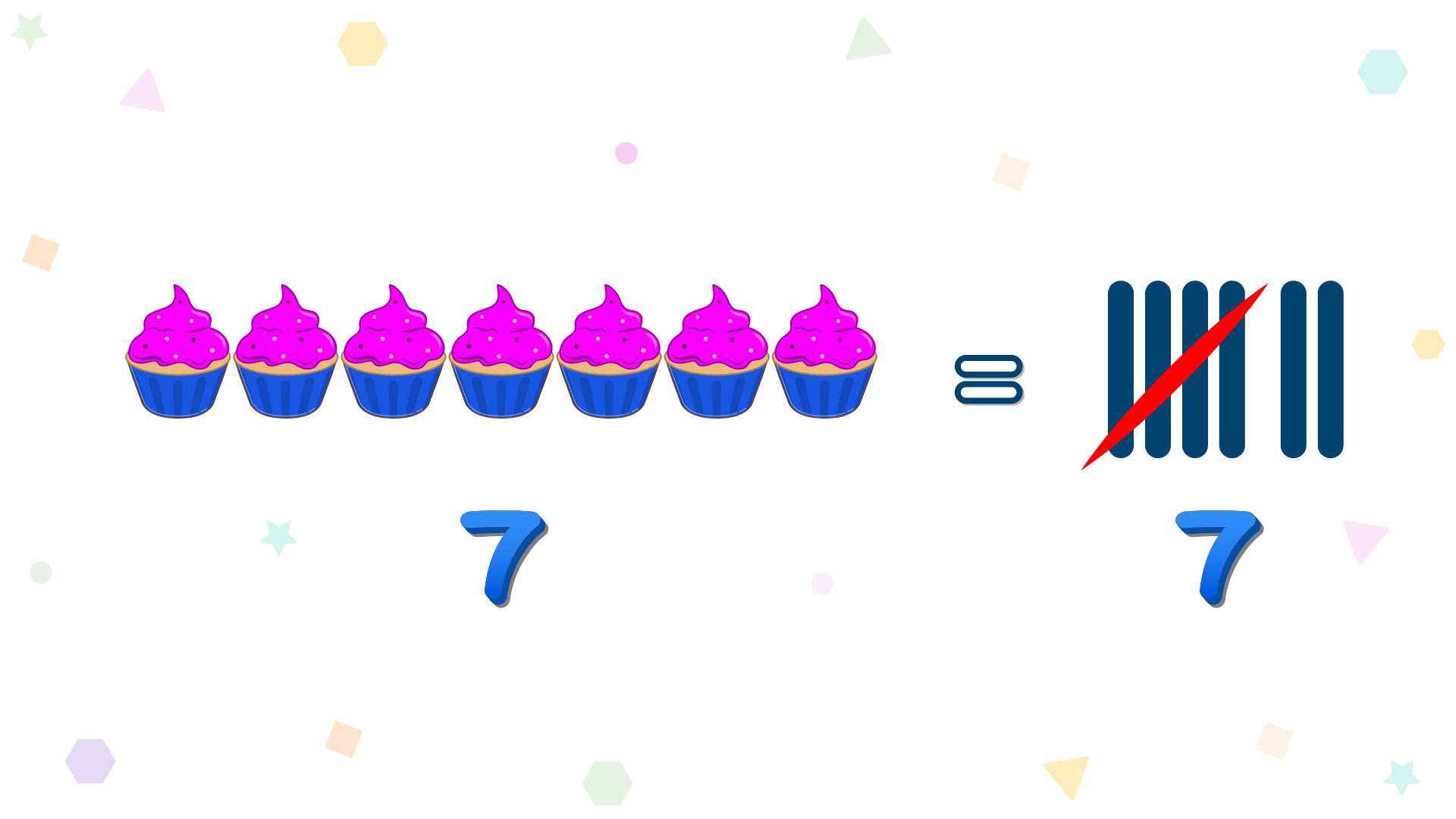
It’s neat, visual and surprisingly satisfying. And for kids, it’s a way to group numbers without needing a calculator.
Why Tally Marks Matter to Kids
We often think of data as something distant : charts, spreadsheets, graphs. But for kids, data begins with noticing. How many red cars passed by today? Which fruit did everyone choose at snack time?
Tally marks help kids collect and organise these observations. They are simple, visual and perfect for curious minds.
Take Sam, for instance. He’s nine, and at his cousin’s birthday party, he wanted to know which juice was most popular. So he stood by the drinks table with a notepad and drew tally marks for every cup of orange, apple and grape juice taken. ‘Orange got the most, 17 cups!’ he declared, counting the groups of five with a strike. That was not just counting. That was data handling, storytelling and a bit of leadership too.

Teaching Tally Marks with the 3H Approach
At Uncle Math Lab, we believe learning should feel like life, not like a worksheet. That’s why our eBooks are powered by the 3H approach : Heart, Head and Hand. Here’s how it comes alive when teaching tally marks :
 HEART : What Are Tally Marks, Really? A Story That Sparks Curiosity
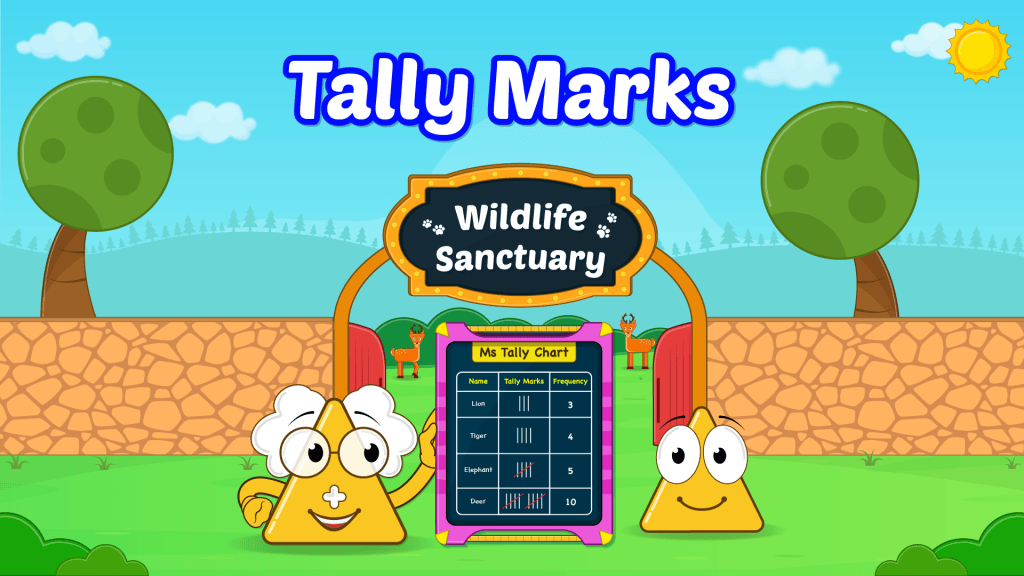
Our eBook begins with a gentle story about kids trying to save animals in a wildlife sanctuary from the bad robots. In order to save them, they think of a powerful strategy to protect animals and on the journey, learn to count the total number of animals there using tally marks. It’s not just a story; it’s a mirror. Kids see themselves in the characters, and parents feel the warmth of a learning moment that could easily happen at home.

 HEAD : Worksheets That Build Clarity
Once the story has sparked interest, our worksheets help kids practise tally marks in a structured, simple way. They count objects, group data, and even decode mini-surveys, all using tally marks. The language is clear, the layout is friendly, and every page is designed to build confidence.
 HAND : Activities That Make It Stick
When kids use their hands, learning becomes authentic. For the kids, our eBook contains engaging, practical activities. I’m happy that after doing this activity with my daughter, she now consistently employs the method of marking and swiping to determine how many votes there are for a movie night. Stories, practice, and kind words of encouragement were the sources of that confidence rather than a textbook.
Linking Tally Marks to Money
Tally marks can even help kids understand money. For example, if your kid earns $1 for each chore, they can use tally marks to track their earnings. Five chores? That’s $5. Ten chores? That’s $10.
It’s not just math, it’s motivation, independence and a sense of achievement.
Learning That Feels Like Home
Our eBook doesn’t just teach tally marks. It brings them to life through stories, worksheets and activities that feel like home. From a story about protecting animals to a worksheet that helps decode a classroom survey, every page is crafted to help kids learn with their hearts, heads and hands.

A Note from Us
If you’ve ever wished math felt more like a conversation than a chore, our eBook might be just what you need. Powered by the 3H approach, stories as Heart, worksheets as Head, and activities as Hand, it turns everyday topics like tally marks into warm, engaging learning experiences.
Inside, you’ll find a story that feels like your own, worksheets that build clarity without pressure, and hands-on tasks that make counting feel real. It’s not just about marks on a page, it’s about helping kids see the world through patterns, choices and everyday magic.
Come explore it with us…and turn ordinary moments into math your kids will not only understand, but truly enjoy.