
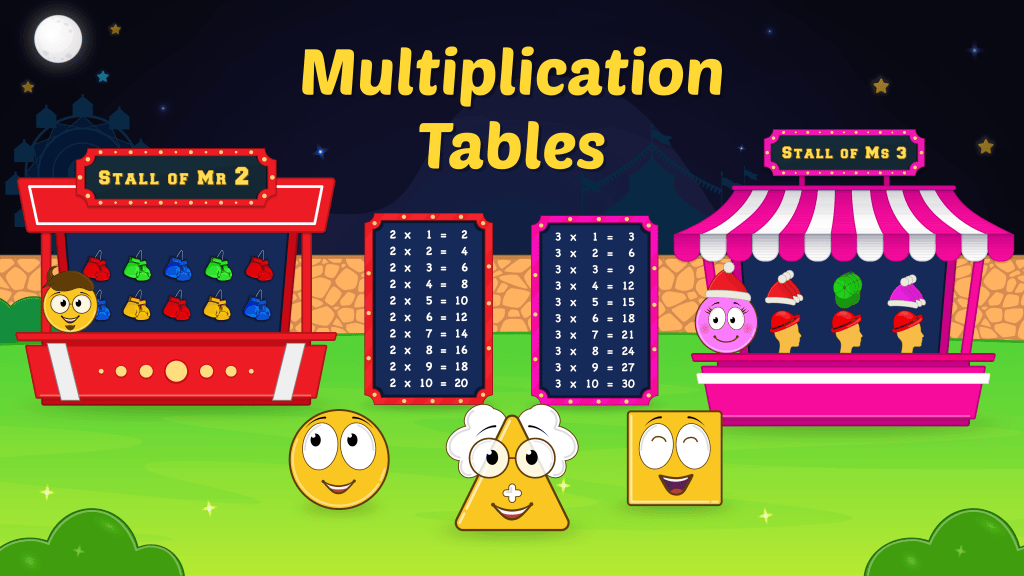
If your little one has just started playing with multiplication, you have probably heard the words ‘times tables’ floating around sometimes with excitement, sometimes with a furrowed brow. For many families, this stage in math feels like a shift. Suddenly, it’s not just about counting apples or adding toy cars, it’s about remembering facts, spotting patterns, and building something that lasts.
But here’s the truth : times tables don’t need to be a battleground of memorisation. When introduced with warmth, stories, and hands-on moments, they become part of everyday life, something kids can feel proud of mastering, one step at a time.
This blog is part of our 3H-powered learning series, where Heart, Head, and Hand come together to make math feel like home. It’s also a gentle invitation to explore our latest eBook, designed especially for families with kids aged 6 to 8.

 HEART : Where Confidence Begins
Times tables are more than just numbers; they are a rhythm, a pattern, a way of making sense of the world. And when kids begin to notice those patterns in real life, something clicks.
I remember setting out party bags for my daughter’s birthday party. Each bag had 4 sweets, and there were 6 bags. She paused, then said, ‘That’s 24 sweets!’I simply appreciated myself as that was learning in a new style without books or worksheets. That’s the Heart of learning : letting kids discover, connect, and feel proud.
At Uncle Math Lab, we bring together stories with gentle explanations of time tables in our eBook. When times tables are introduced with kindness and relevance, they become more than just math; they become part of a kid’s growing confidence.

 HEAD : Understanding Through Simple Logic
Times tables are not just about memorising facts. They are a way for kids to move from counting one by one to spotting patterns and solving problems with confidence. At this age, what matters most is helping them understand how multiplication works, not just what the answer is.
Even my younger son, Eric, loved helping with the laundry. One day, while sorting socks, Eric began to notice something. ‘Two socks in each pair… four pairs… that makes eight socks!’ he said. I realised he was building his two times table without even knowing it.
That is the Head part of learning, making sense of numbers through everyday logic.
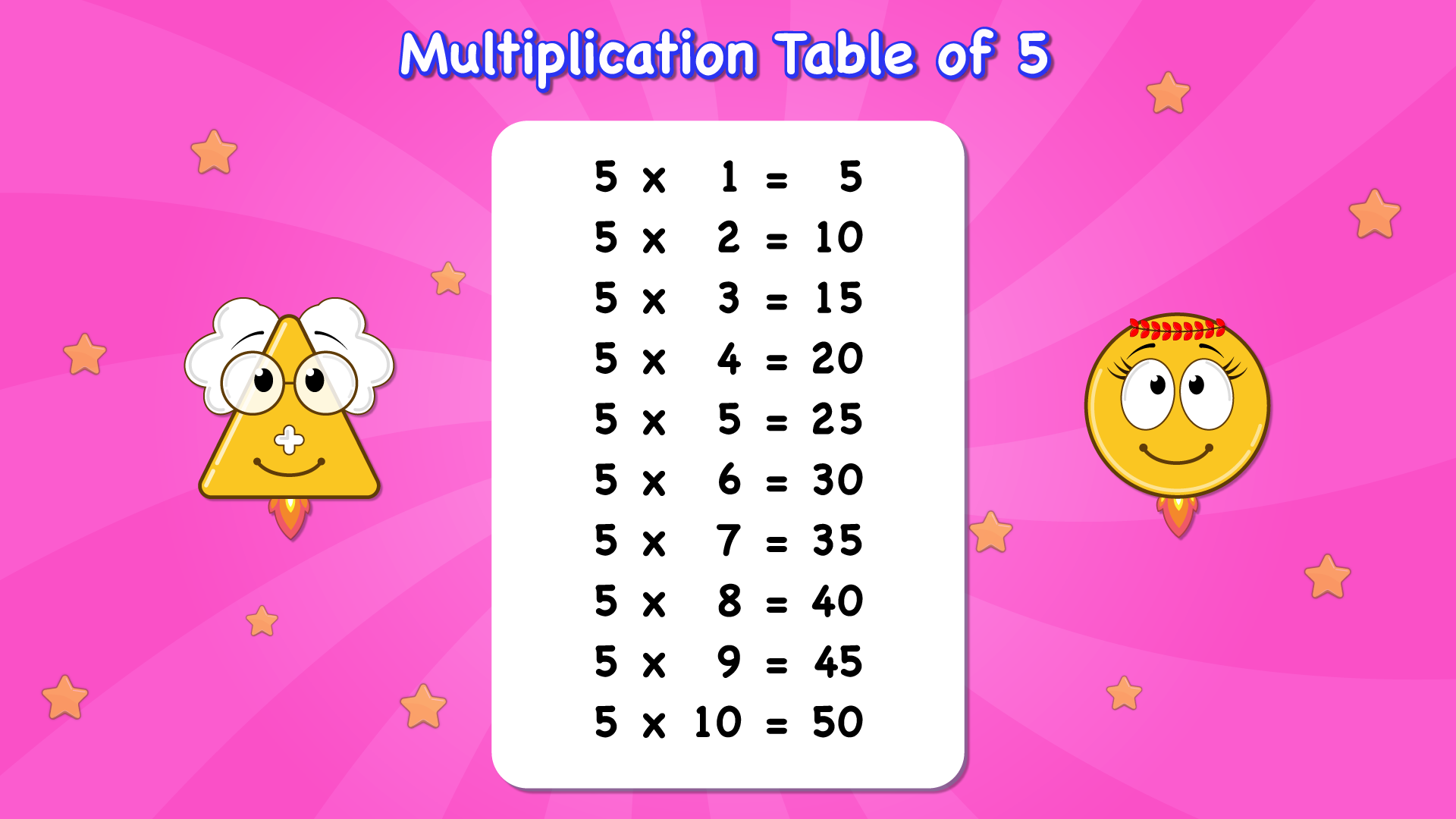
Our worksheets are designed to support this kind of thinking. They begin with the familiar : the 2s, 5s and 10s. These tables show up often in daily life and are easy to spot. The worksheets include gentle prompts like :
- Draw 3 shelves with 4 books each. How many books altogether?
- Colour in the numbers that end in 0 or 5 in the five times table.
- Skip count in tens and circle the pattern.
These activities help kids slow down, notice what is happening and feel proud of their discoveries. They are not rushed or rigid. They are calm, clear and built for real understanding.
At Uncle Math Lab, we provide printable worksheets just like these, designed to help your kid build their times table knowledge step by step, with confidence and curiosity.


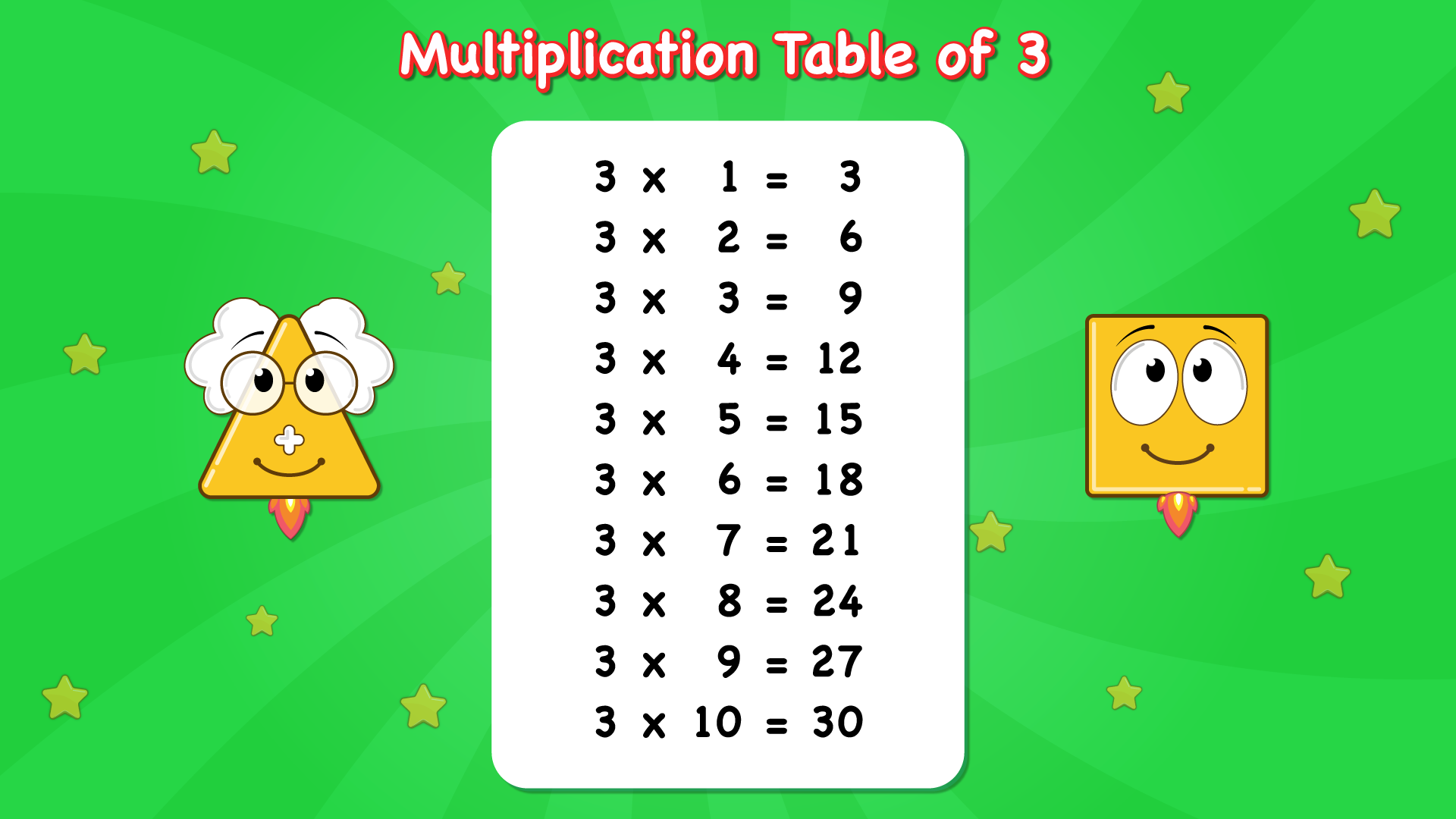
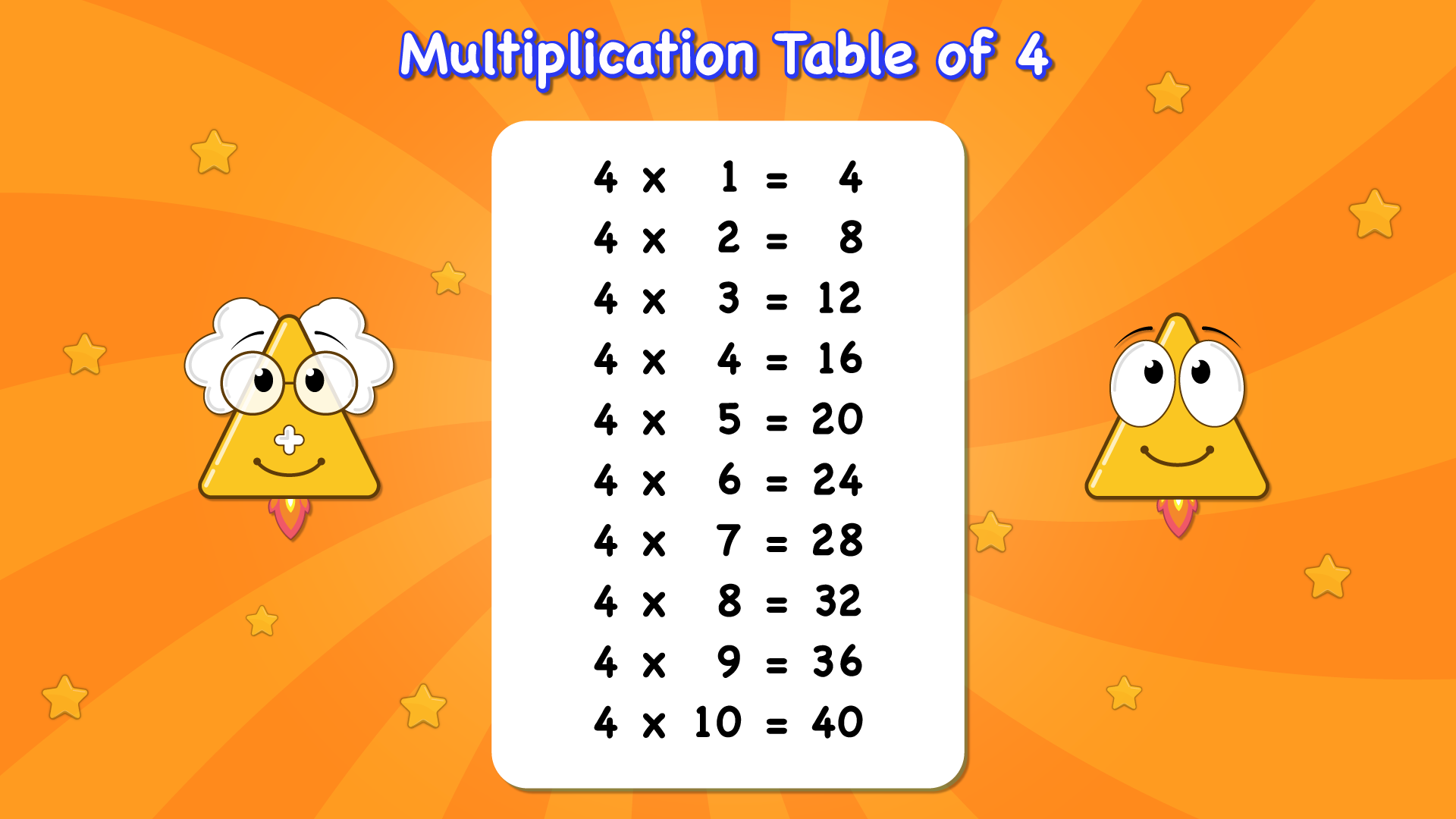
 HAND : Learning by Moving and Doing
Some kids need to do things before they understand. That is where hands-on activities come in. When kids can touch, move and play with numbers, they begin to see how multiplication works in real life.
Once on a visit to my friend’s house, I saw her daughter, Rosie, helping in the kitchen. They were baking cupcakes and needed 2 eggs per batch. Rosie counted, ‘Two eggs for one batch, four for two, six for three…’ By the time they reached the fourth batch, Rosie said, ‘Eight eggs!’ She had just built her two times table with flour on her hands and a smile on her face.
That is the Hand part of learning, active, tactile and rooted in everyday life.
Here are a few simple activities you can try at home :
- Times Table Treasure Hunt : Hide small objects in groups around the house, like 3 baskets with 4 apples each and ask your kid to find the total.
- Skip Counting Walks : Go for a walk and count steps in twos, fives or tens. It builds rhythm and helps the tables stick.
- Kitchen Math : Let your kid help with baking. We need 2 eggs per cake, and we are making 3 cakes. How many eggs do we need?’
These moments do more than teach math. They create memories. They help your kid feel capable and connected to what they are learning.
Our eBook is full of activities like these—simple, playful and easy to weave into daily routines. With the Heart, Head and Hand approach, times tables become something your kid can understand, enjoy and use in real life.
Explore our eBook today and discover worksheets and activities that make times tables feel like home with Heart, Head and Hand working together.
A Note for Parents
Times tables can feel like a mountain at first. But with a gentle approach, they become stepping stones, each one building your kid’s confidence and understanding. You don’t need to rely on drills or pressure. You just need a few real-life moments, a warm tone, and a bit of patience.
Our eBook is here to walk alongside you. It’s not just a guide, it’s a companion. With relatable stories, simple explanations, and activities that fit into family life, it brings the 3H approach to life in a way that feels natural and nurturing.
So next time your little one asks, ‘Do I have to learn my times tables?’, you might just say, ‘Not all at once. But let’s find the ones that help us count cupcakes, pack party bags, and sort socks. That’s where the magic begins.’
Explore our eBook today and make times tables feel like home with heart, head, and hand.

