
Last week, my son Ryan was occupied with his work, surrounded by coloured pencils, a half-eaten apple, and a math worksheet that looked like it had been through battle. He looked up at me and said, ‘Mumma, I don’t get it. Why do we need both HCF and LCM? They sound like twins, but they do different things.’
I sat down beside him, peeled the rest of his apple, and realised this was one of those moments. Not just a homework moment, but a chance to help him see that math isn’t just numbers. It’s full of patterns and stories.
At Uncle Math Lab, we believe learning should feel personal, practical, and full of heart. That’s why our new ebook is built on the 3H approach : Heart, Head and Hand. It’s designed to help kids aged 8 to 11 not just learn, but connect, understand and apply. And one of the most surprisingly delightful chapters? The one on the relation between HCF and LCM.
Let’s say your daughter is packing goodie bags for a party. She has 20 stickers and 30 erasers. She wants each bag to have the same number of each item. What’s the biggest number of bags she can make without leftovers?
That’s HCF, the Highest Common Factor. It tells you how many equal groups you can make.
Now imagine your son has basketball practice every 4 days, and his cousin has it every 6 days. They want to know when they’ll next have practice on the same day. That’s LCM, the Lowest Common Multiple. It tells you the first time two different schedules line up.
Here’s the part that feels like a magic trick and kids love it once they see it.
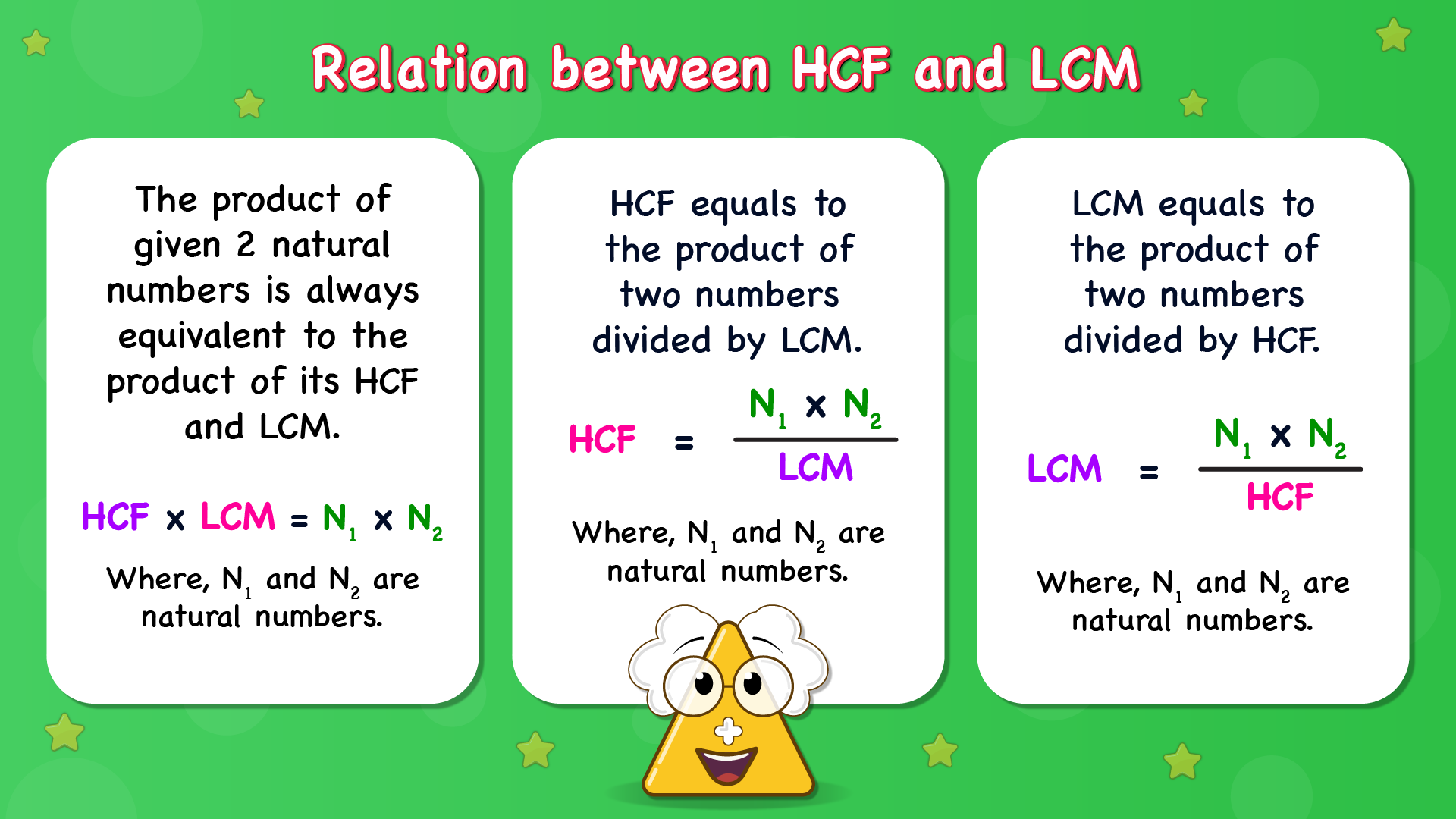
HCF × LCM = Product of the two numbers
If the digits are 4 and 6 :
HCF is 2
LCM is 12
4 × 6 = 24
2 × 12 = 24
It’s like two puzzle pieces fitting perfectly. And once kids spot this, they start seeing math as a web of relationships, not just a list of rules.

I remember my daughter Ava used HCF to figure out how many cupcakes she could bake with the ingredients they had without wasting anything. Even my nephew used LCM to plan when his two favourite TV shows would air on the same day again.
These aren’t textbook examples. They’re kitchen-table moments. And they’re the kind of learning that lasts.
Our ebook brings HCF and LCM to life using the 3H approach :
Heart : We begin with stories kids relate to, such as birthday parties, sports, and sharing toys, so they feel emotionally connected.
Head : We guide them through the logic with clear steps, simple visuals and questions that spark curiosity.
Hand : We offer hands-on activities, drawing number lines, building puzzles and even baking, so they can apply what they’ve learned in real life.
It’s not about cramming. It’s about connecting.

If you’ve ever felt that wanting to help your kid with math but not knowing where to start, you’re not alone. And you don’t need to be a math whiz. You just need to be present.
