There is something quietly magical about watching your child open a box, flatten it out, and trace the edges with their fingers. No one calls it a ‘net’ at first. It is just a box that became a puzzle. But in that moment — between play and curiosity — your child is doing geometry. And you are right there, watching it unfold.
Understanding nets of 3D shapes is one of those lovely stepping stones in early math. It helps kids see how solid objects are built, how flat shapes come together, and how the world is full of patterns waiting to be noticed. That is why we created our new ebook for kids aged 8 to 11, powered by the 3H approach — Heart, Head and Hand. It is not just about teaching. It is about helping kids feel, think and do.

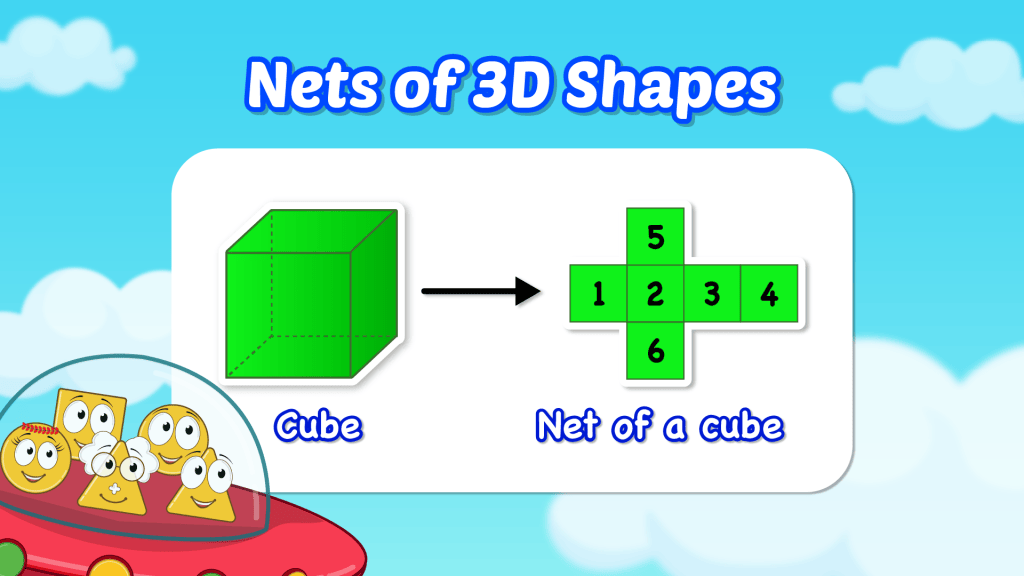
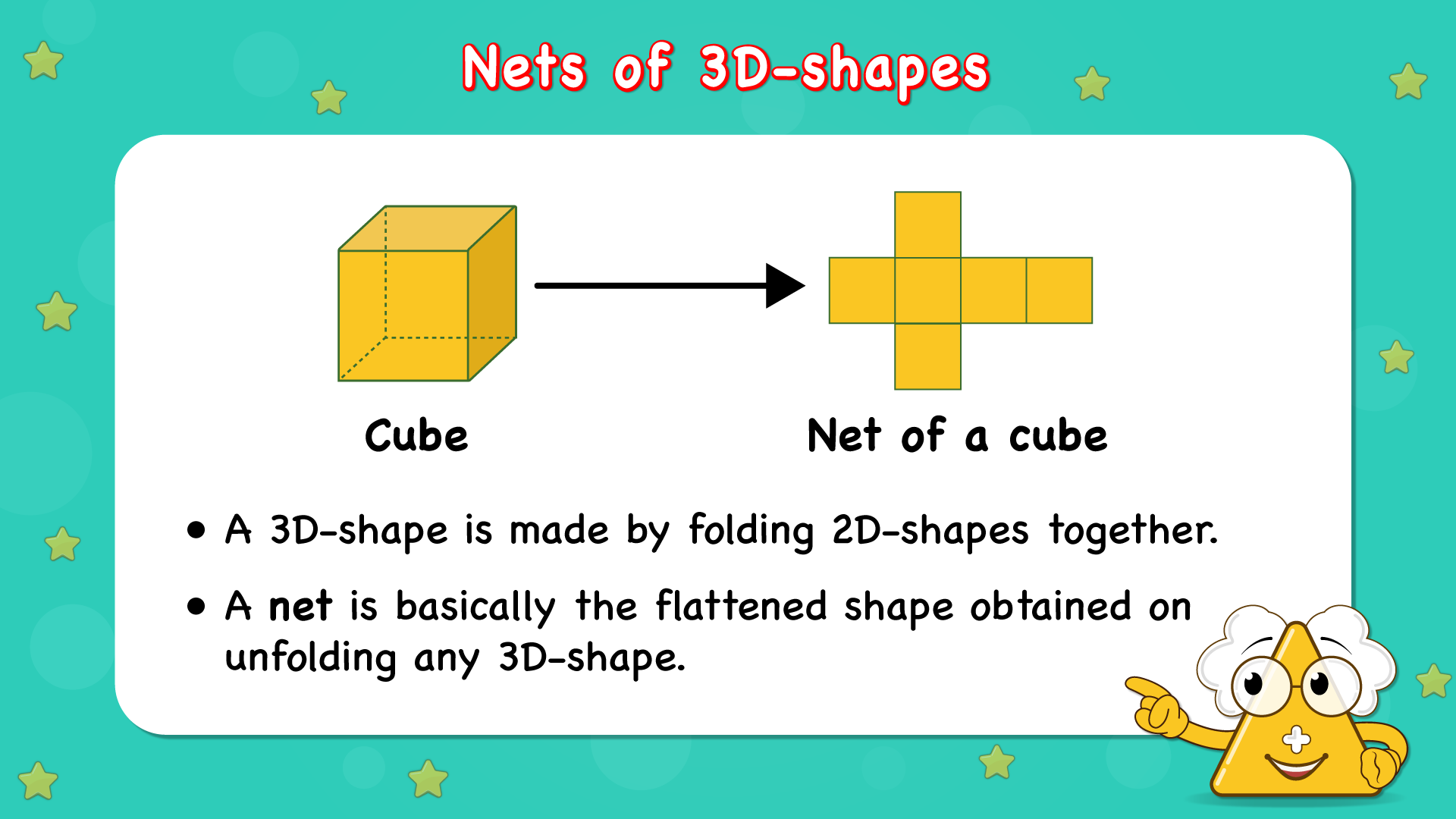
A net is a flat pattern that folds into a 3D shape. Imagine opening up a cube and laying it flat — you would see six squares joined together like a cross. That flat shape is the net.
Nets help kids understand how shapes are made. They show that every box, every carton, every tent has a story — one that begins flat and ends up standing.
One quiet afternoon, my son Leo was helping me unpack a parcel. He opened the box, flattened it, and said, ‘It looks like a robot lying down.’ I smiled and said, ‘That is called a net — it is how the box was built.’ We spent the next half hour folding and unfolding it, guessing which flap was the lid, which one was the base. It was not a lesson. It was just a moment — and it stuck.
Another time, my daughter Grace was making decorations for her friend’s birthday. She cut out a net for a cone, rolled it up, and taped it. She held it up and said, ‘It was flat, and now it is a party hat!’ That was her way of connecting the dots — and it made me realise how much kids learn when they create with their hands.
And then there was Ethan, my nephew, who tried to make a cube out of paper. He cut six squares and taped them together, but it kept collapsing. He looked up and said, ‘I think I need to join them in a better way.’ That was a perfect moment to talk about how nets work — not just the shapes, but the way they are arranged.
One evening, my niece Ava was wrapping a present. She opened up a gift box and laid it flat to decorate it. As she coloured each flap, she said, ‘This is the bottom, and this one is the lid.’ She was not just decorating — she was visualising how the box folds back together. That moment felt like a quiet win.
And just last week, Jackson, my youngest, was building a cardboard robot. He drew a net for the head — a cube — and folded it carefully. When it held its shape, he said, ‘I got it right this time!’ That sense of pride, that little spark of understanding, is exactly what our ebook is designed to nurture.

Our ebook brings the idea of nets to life through the 3H approach:
- Heart : We begin with stories and feelings. Kids relate nets to things they know — a juice box, a gift, a folded tent.
- Head : We guide thinking and problem-solving. Kids learn to predict which nets will form which shapes, and why some arrangements work better than others.
- Hand : We encourage hands-on exploration. Kids cut, fold, build and test. They learn by doing — not just watching.
It is not about getting it perfect. It is about trying, noticing, and feeling proud when something finally fits.

You do not need special tools or lessons. Your home is full of shapes waiting to be unfolded.
- In the kitchen : Let your child open a cereal box and lay it flat. Talk about how the flaps fit together.
- During play : Use paper cut-outs to build cubes, cones and pyramids. Let them decorate and name each flap.
- On walks : Spot packaging in shops — cartons, boxes, tubes — and wonder aloud how they might look when opened.
Ask gentle questions like, ‘What shape do you think this will make?’ or ‘Can we fold this into a box?’ These small chats help your child notice, think and learn.
One night, while packing up leftovers, Grace looked at the takeaway box and said, ‘I think I know how this folds — it is like the net of a prism.’ I did not correct her. I just smiled. She was thinking, connecting, imagining — and that was enough.
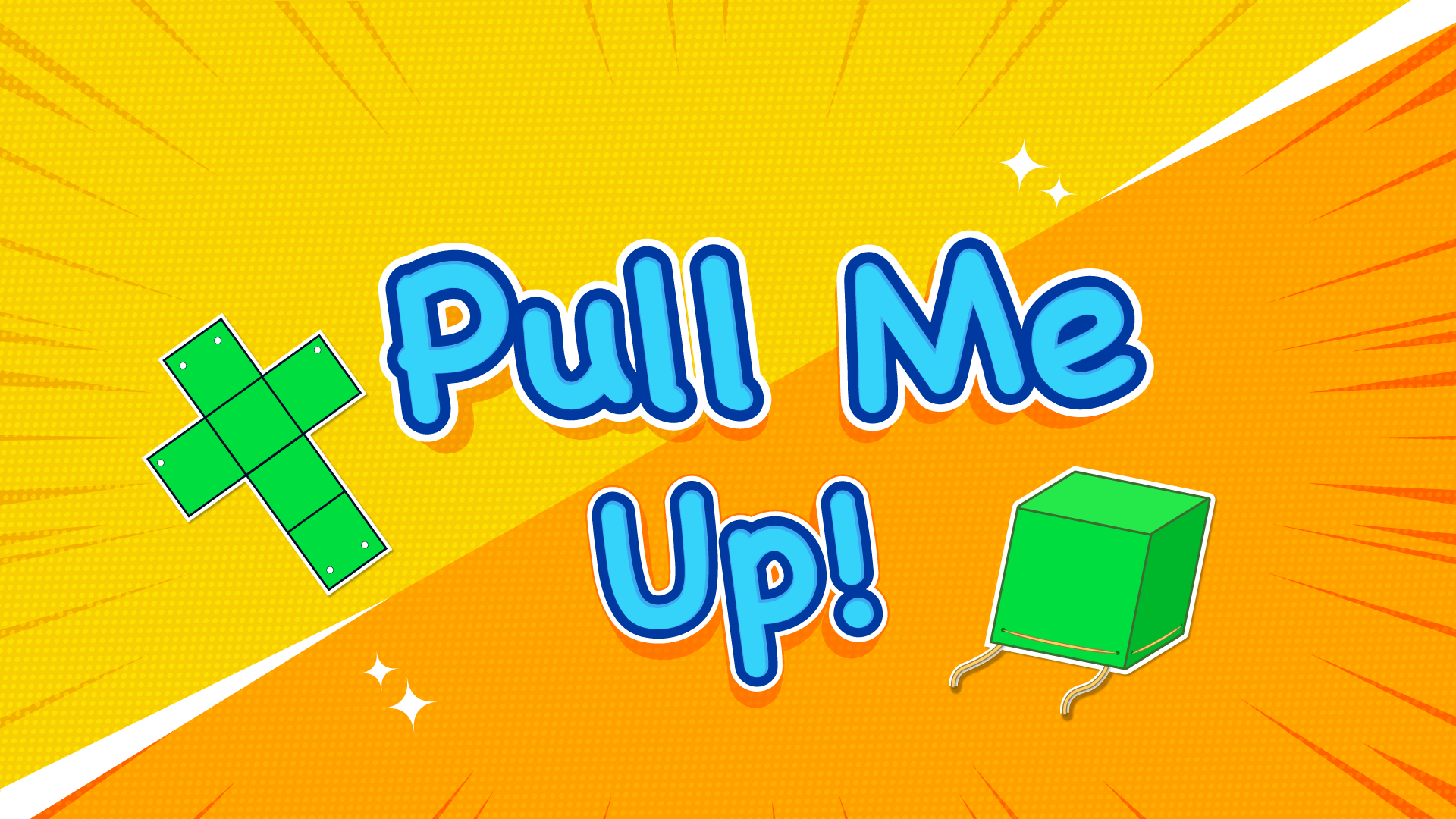
We did not just write a book. We created something that feels like a companion — for your child and for you. It is full of stories, activities and gentle challenges that make geometry feel like play.
Whether your child is just starting out or already asking big questions, this ebook meets them where they are and helps them grow.
So if you are looking for a way to make learning more human, more connected and more joyful, this is it.
Let us help our kids see the world not just in shapes, but in possibilities.
Explore our eBook today and discover how the 3H approach can transform everyday moments into lifelong learning.
